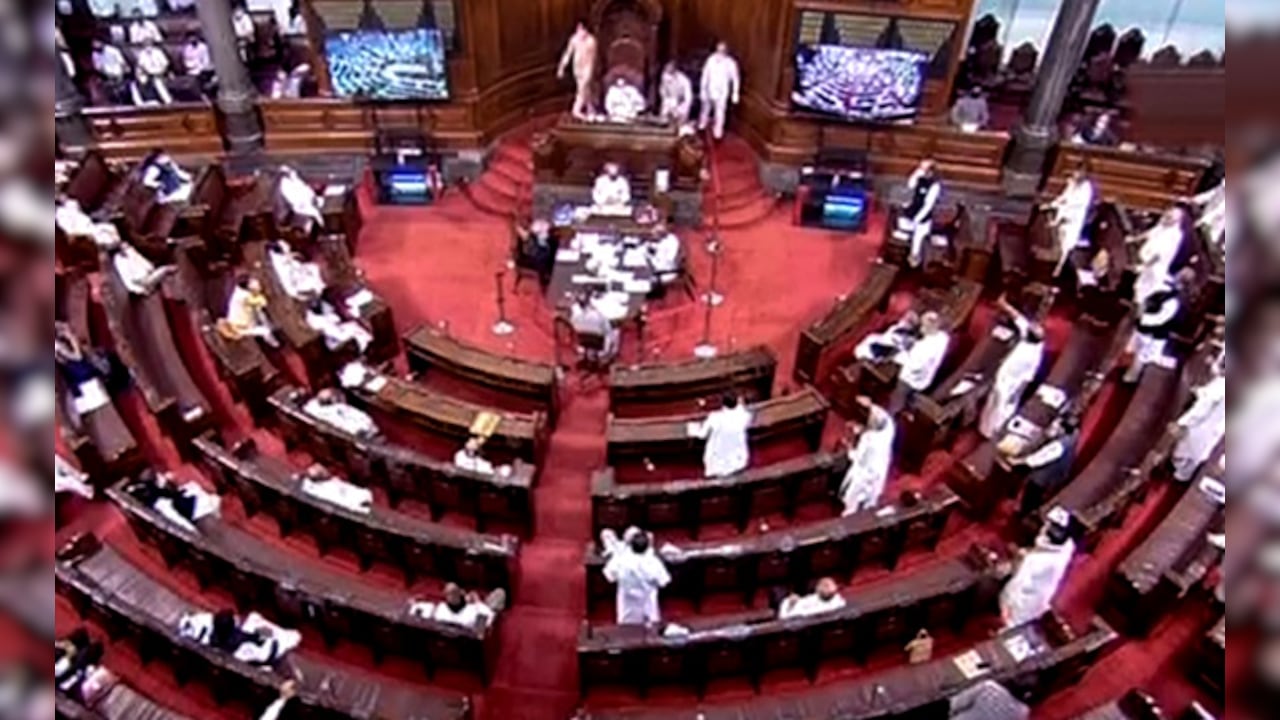
The Rajya Sabha passes the Bankers’ Books Evidence Bill, 2026, completing parliamentary approval after the Lok Sabha clears the measure earlier on August 5. The bill aims to update the legal framework for how courts treat “bankers’ books” as evidence, replacing the 135-year-old Bankers’ Books Evidence Act, 1891.
The outlets describe the bill as a modernization effort for an increasingly digital banking sector. While it broadly retains the structure of the 1891 law, it explicitly brings newer record formats into the evidence rules. This includes electronic, digital, virtual, and other modern forms of banking records, which the bill treats as legally admissible.
All three sources link the change to aligning India’s evidence law with contemporary record-keeping used by banks. They also note that the legislation’s future effect depends on the next procedural step: receiving presidential assent after parliamentary passage. Different outlets emphasize either the bill’s purpose or the specific updates to admissibility of digital records, but their accounts are consistent on the overall objective and legislative milestones.