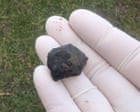
A group of citizen space enthusiasts and geologists identify New Zealand’s 11th confirmed meteorite after a bright fireball passes over the North Island. Days later, one hunter, Steve Wyn-Harris, spots a small black stone on bare ground while searching for debris from the event and collects it.
In context, the effort relies on a network of cameras that record the fireball’s flight path. Wyn-Harris and other citizen scientists use this information to narrow down where material may have landed. Initial uncertainty remains because many proposed finds turn out not to be meteorites.
To confirm the identification, they test the rock for the presence of iron and nickel, including a simple magnet-and-visual check using a fridge magnet. Wyn-Harris shares the process through a video call with other citizen scientists and geologists. The quick “click” in the test leads multiple participants to react, and the result supports classifying the stone as a meteorite.
Both outlets focus on the same chain of evidence—fireball tracking, ground recovery, and basic compositional checks—while highlighting the role of community observation and rapid verification rather than a formal lab account.