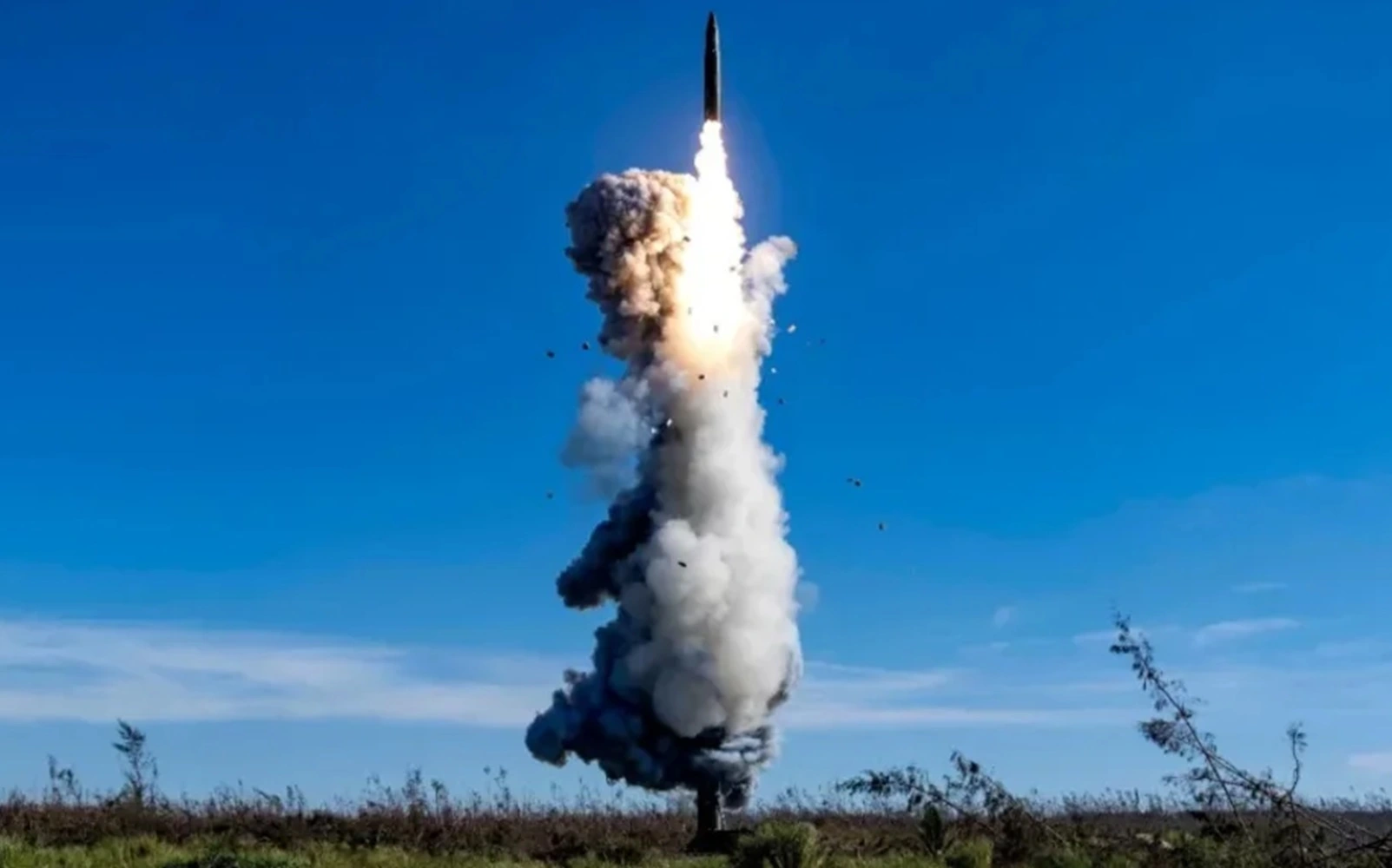
Pacific Island foreign ministers do not reach agreement on a collective statement condemning China’s recent missile test, even as several individual leaders express alarm. The inability to coordinate underscores existing differences among countries in how they respond to heightened military activity in the region.
Outlets describe the episode as deepening divisions across Pacific diplomacy. One account highlights how the test exposes limits in leaders’ regional ambition to promote a shared goal of peace. Another frames the outcome as reflecting sharply differing national interests, including economic ties, political positions, and security considerations, which complicate consensus.
Across the reporting, the missile test is treated as a catalyst for renewed debate over growing militarisation in the Pacific. While there is not a unified regional response, the separate expressions of concern indicate widespread unease. The main difference between coverage lies in emphasis: some focus on the shortfall in collective messaging, while others focus on the varied underlying interests that prevent coordination.