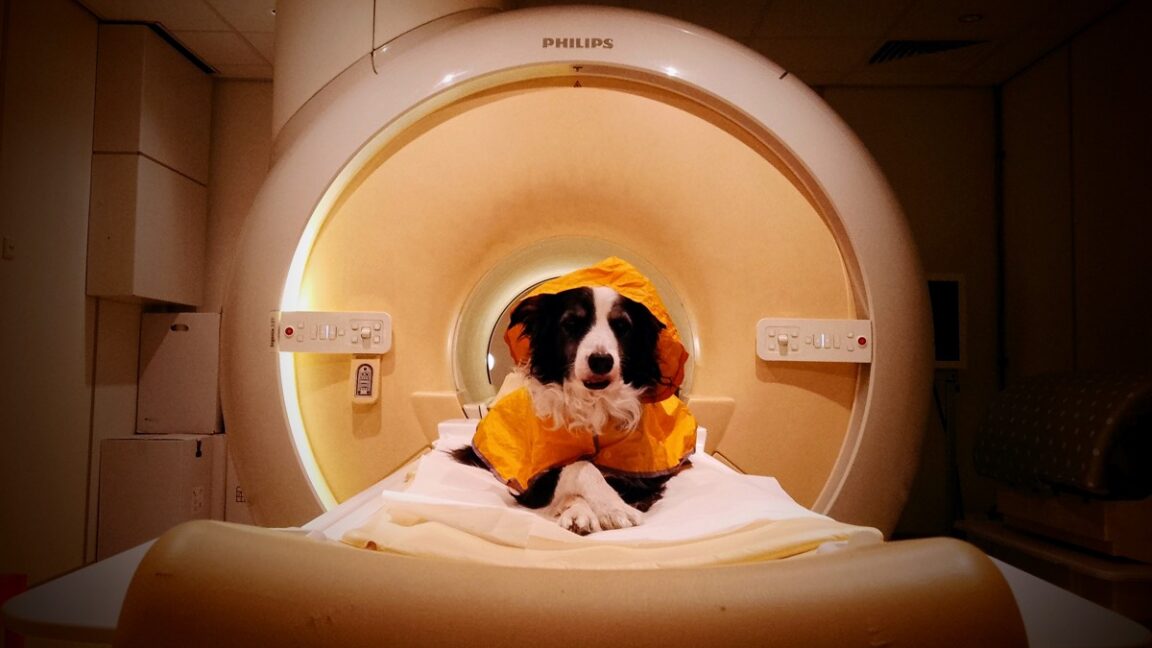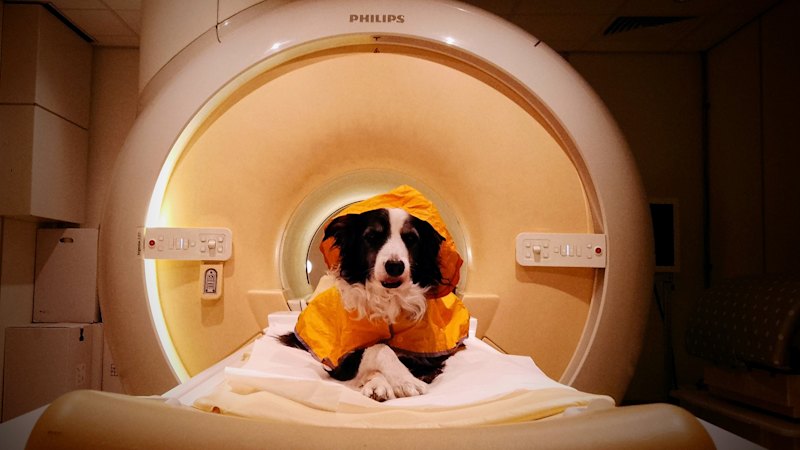
Scientists scan 14 dogs’ brains and report findings suggesting dogs process human smiling in ways linked to positive attention or social engagement. The study uses brain imaging to examine activity patterns while dogs interact with smiling versus non-smiling human cues.
The three outlets describe the same core result: smiling appears to be meaningful to dogs, offering another reason—beyond companionship—that people may benefit from smiling at dogs they encounter. The articles emphasize the size of the sample (14 canine brains) and frame the takeaway for everyday interactions, urging people to smile when approaching dogs.
Across the coverage, the tone is largely consistent and practical, with no major differences in reported methods or conclusions. However, none of the excerpts provided include detailed discussion of how the stimuli are presented, the comparison condition specifics, or the limits of interpreting brain activity as direct emotion. The shared emphasis remains that dogs show identifiable brain responses to human smiling.