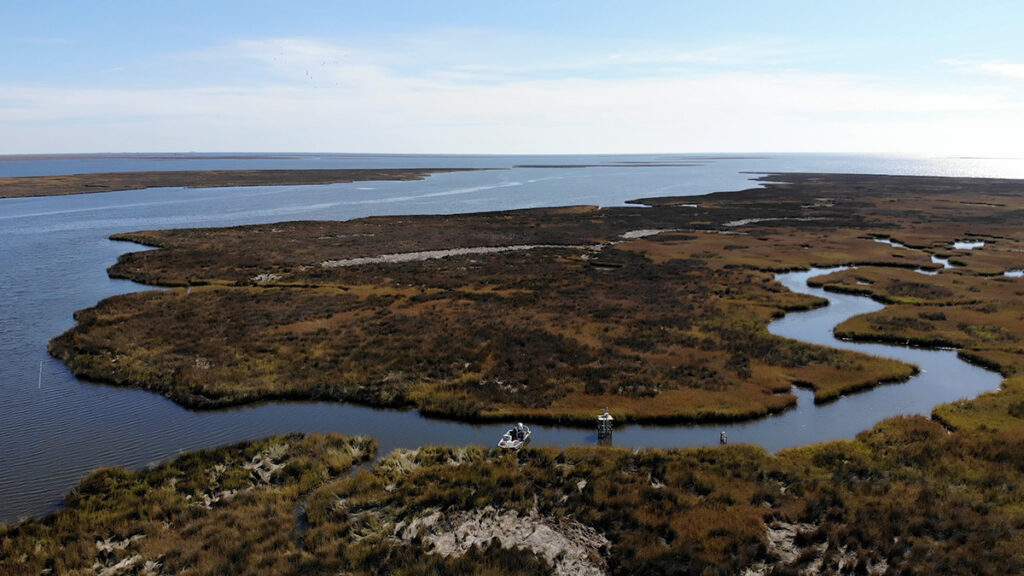
Researchers report that tidal creeks play a major, often overlooked role in transporting carbon in and out of salt marshes. The findings point to creek-driven pathways as a significant mechanism affecting the carbon balance of coastal wetlands, highlighting a gap in many “blue carbon” assessments.
Salt marshes are coastal ecosystems that are repeatedly flooded and exposed by tides, which supports intense carbon cycling. The new work emphasizes that under-the-radar creek networks can sweep carbon away from marsh surfaces, potentially changing how much carbon these wetlands store or release over time. While the reports focus on the same general issue—tidal creeks as a key transport route—some outlets frame the research primarily as a correction to current assessment approaches, while others provide broader context on salt marshes as carbon-cycling hotspots.
Overall, the outlets agree that tidal creeks are central to carbon movement in salt marsh environments and that better representation of these pathways is needed in accounting frameworks used to evaluate coastal carbon storage.