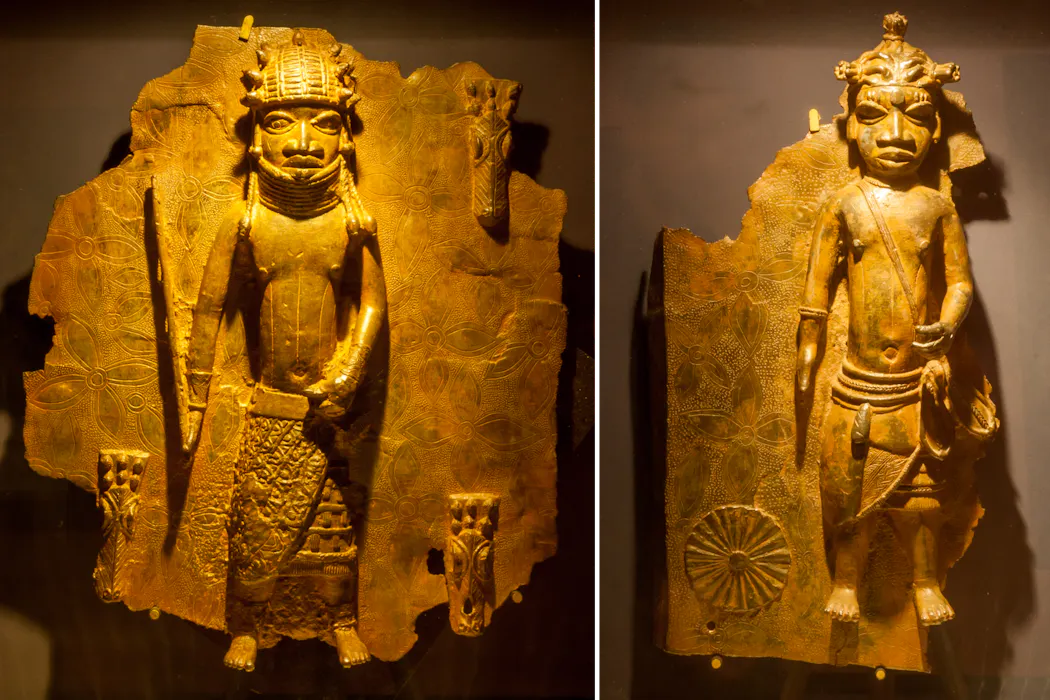
Archaeology’s understanding of Africa’s past has shifted over time as the field’s methods, tools, and interpretations evolve. Across recent discussions, the focus is on how different “eras” of archaeology reflect changing assumptions about what the past is, how evidence should be studied, and how conclusions are reached.
The Conversation frames archaeology as a discipline that can address harm from earlier practices, support livelihoods in the present, and help preserve cultural heritage for future generations. Phys.org emphasizes that answers to “what is the past” are not fixed; understanding changes as science, politics, technologies, and broader ways of thinking develop. Together, the sources highlight that archaeology progresses through both technical innovation and shifts in the social and political context in which research occurs.
While neither outlet provides a single event or new discovery, both present the same overarching point: interpretations of Africa’s history are influenced by the era’s scientific capabilities and the surrounding institutions and values guiding research and public engagement.