


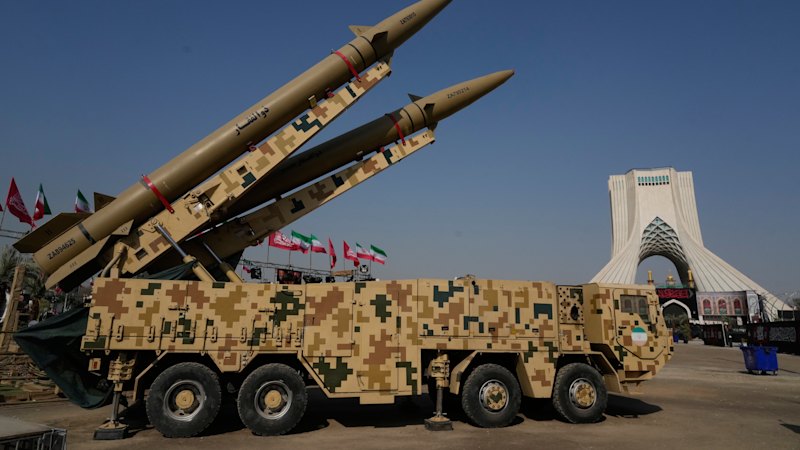
Iranian strikes in Jordan kill three U.S. service members, highlighting how Iranian war-fighting methods can change quickly in response to battlefield and supply constraints, according to multiple outlets.
Several reports link the incident to a broader concern inside Washington: the Pentagon’s limited stocks of certain interceptors and related munitions. The outlets describe an environment where U.S. systems face challenges in sustaining defensive pressure, which can influence how adversaries plan and execute attacks. They present the Jordan incident as an example of tactical adjustment rather than a single, isolated event.
While all sources agree on the basic facts—Iranian strikes, the deaths of three U.S. soldiers in Jordan, and a reported U.S. munitions shortage—the framing varies. Some emphasize Iranian operational evolution; others place greater weight on the implications of dwindling U.S. interceptors for regional air and missile defense. The underlying contention is that each side’s constraints shape the exchange.


