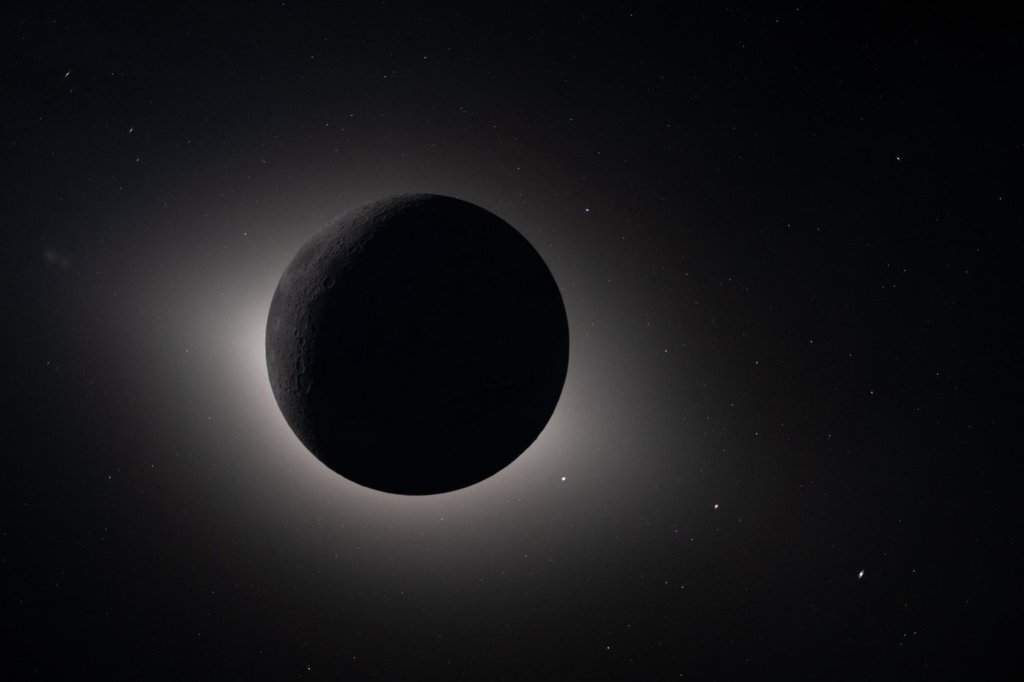
A solar eclipse is set to occur tonight, and multiple outlets report that it may be accompanied by unusual public and environmental observations. Reports circulated ahead of the event suggest that some people expect noticeable changes during the eclipse period, including animal behavior and increased risks on roads.
Context for the coverage includes the long-standing idea that eclipses can affect animals and human activity because daylight levels drop rapidly over a short time. The reporting highlights claims such as animals becoming quieter and concerns about drivers, including speculation about a spike in traffic accidents during the eclipse window. However, the accounts largely focus on expected or anecdotal effects rather than presenting consistent scientific measurements or confirmed statistics tied directly to the eclipse.
Across the outlets provided, the angle is similar: they frame the eclipse as both a visual event and a potential trigger for “weird” or observable disruptions, emphasizing what viewers might notice while not detailing formal evidence or standardized findings.