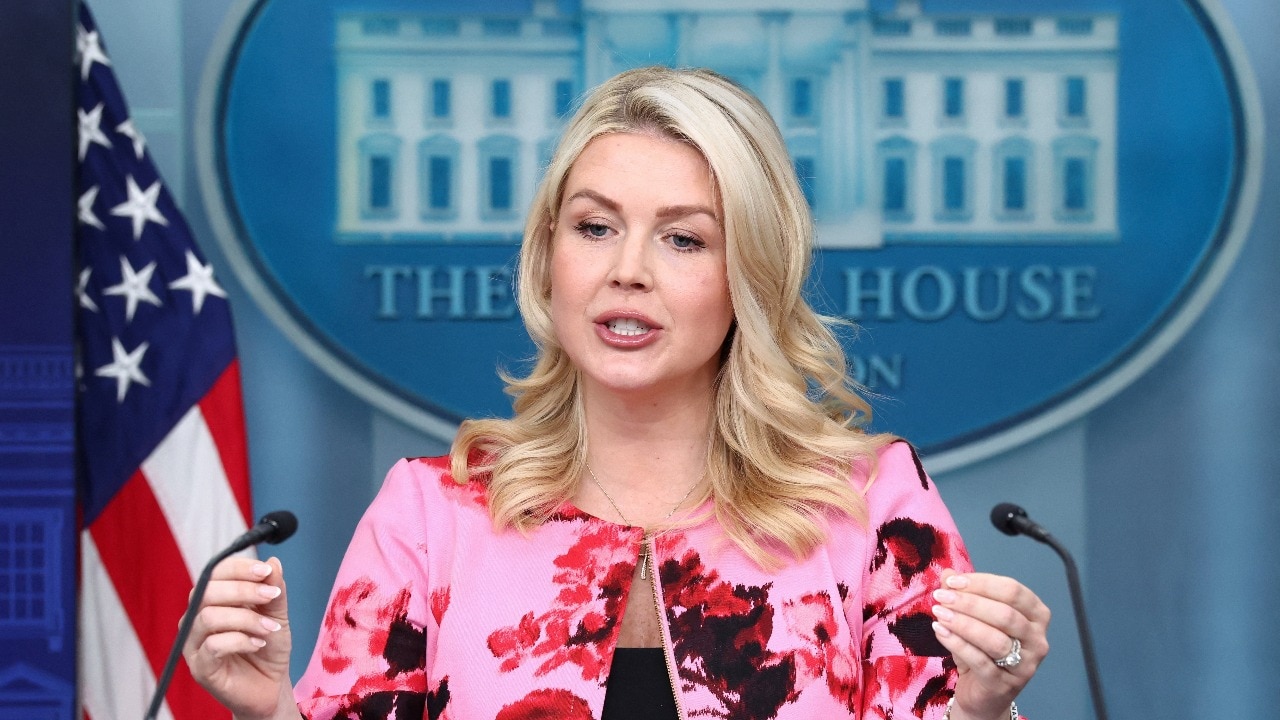
Francesca Hong, a Democratic socialist running in Wisconsin’s Democratic primary for governor, held a double-digit lead in public polling as recently as last week, but ultimately loses, according to multiple reports. The outcome creates a sudden disconnect between survey results and the final vote.
The coverage focuses on why polls may have missed the shift. One line of reporting highlights the possibility of changing voter preferences late in the campaign and whether certain groups were underrepresented or failed to turn out as expected. Another angle examines methodological factors that can affect results in close electoral contexts, including how surveys sample voters, how respondents are weighted, and how likely voters are determined. Together, the outlets describe an outcome that raises broader concerns about how reliably polls capture Democratic voter behavior in the final stretch of a primary.
While the articles differ in emphasis—one foregrounds the timeline of Hong’s declining support and the other stresses general questions about polls and Democratic voters—both treat the same event: Hong’s lead in polling does not hold through election day.