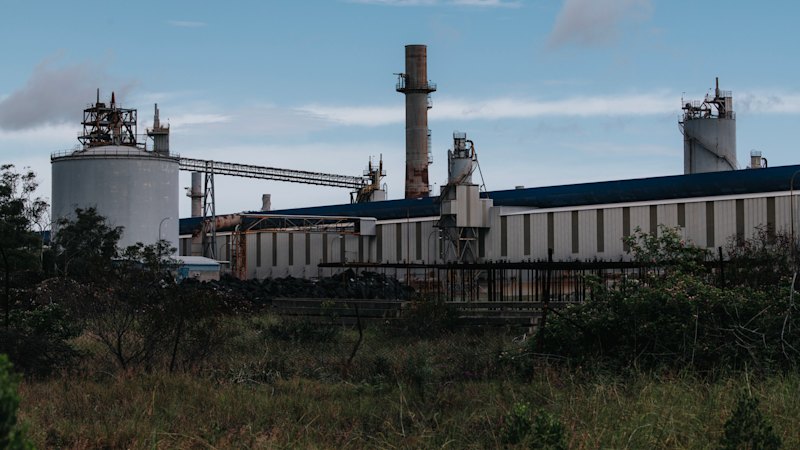
The reports focus on a case involving Tomago and question how much the federal government pays for industrial jobs, citing a figure of about $2.5 million in taxpayer cash per job. The articles argue that the level of support is unusually large and use Tomago as an example of broader funding decisions.
All three outlets place the case within the context of the Albanese government’s industrial policy approach, describing a pattern of providing substantial federal assistance to ageing facilities. They frame the central issue as whether the public cost is justified by employment and other economic outcomes.
While the summaries share the same core claim and framing, the outlets approach it with slightly different emphases typical of opinion and analysis columns: each highlights the size of the taxpayer contribution and scrutinizes the value-for-money of the job-linked investment. The common thread is that the Tomago figure is presented as evidence for a wider debate about the effectiveness and accountability of government industrial subsidies.