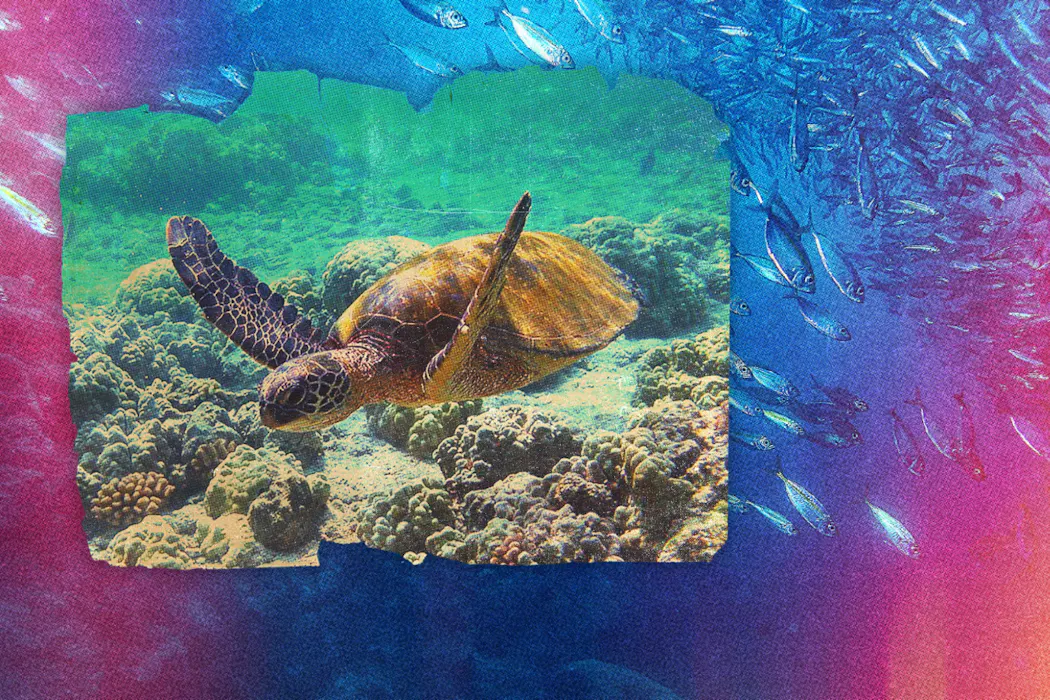
Marine heatwaves are causing widespread harm to ocean ecosystems, including coral bleaching and large-scale fish die-offs. Across affected regions, warmer-than-usual water disrupts marine life, turning ecosystems into conditions that can rapidly damage reefs and other habitats.
Both outlets describe marine heatwaves as a growing environmental threat. They note that reports often come from visible impacts—such as bleached coral—and from events such as fish kills. The Conversation emphasizes the ecological consequences of these “underwater disasters,” while Phys.org focuses on the types of evidence people see and hear, including mass mortality and bleaching photos.
While the sources differ in how they frame the issue—one more explicitly about ecosystem mechanisms and the other more about the observable outcomes—they converge on the same central point: marine heatwaves are already occurring and are expected to become more common. As heatwave frequency and intensity increase, the risk of repeated ecological damage also rises.