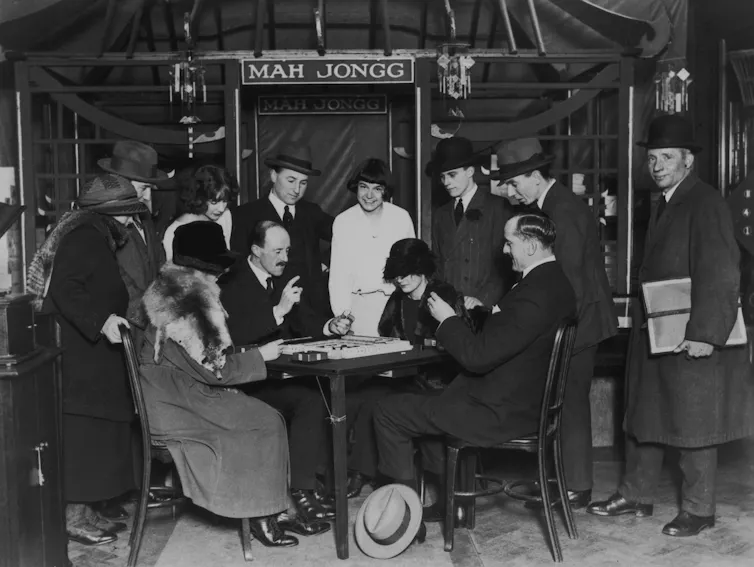
Mahjong, a centuries-old Chinese tile game, is seeing renewed popularity in recent years, with more people playing it in homes, community settings, and online. Several outlets describe the trend as part of a broader “revival” in which interest in the game spreads beyond traditional communities.
Context for the resurgence includes both nostalgia for cultural practices and the game’s accessibility: it is easy to learn compared with some other traditional games, yet offers strategic depth that keeps players engaged. Outlets also note that modern lifestyles—such as casual social play, events, and digital platforms—help the game reach new audiences.
Across the coverage, the differing emphasis is on how the trend is changing the meaning of mahjong. Some frame it as an expression of cultural continuity, while others focus on what happens when a traditional pastime becomes a broader lifestyle trend. The conversation centers on whether the increased visibility preserves the game’s cultural roots or reshapes how it is understood and practiced globally.