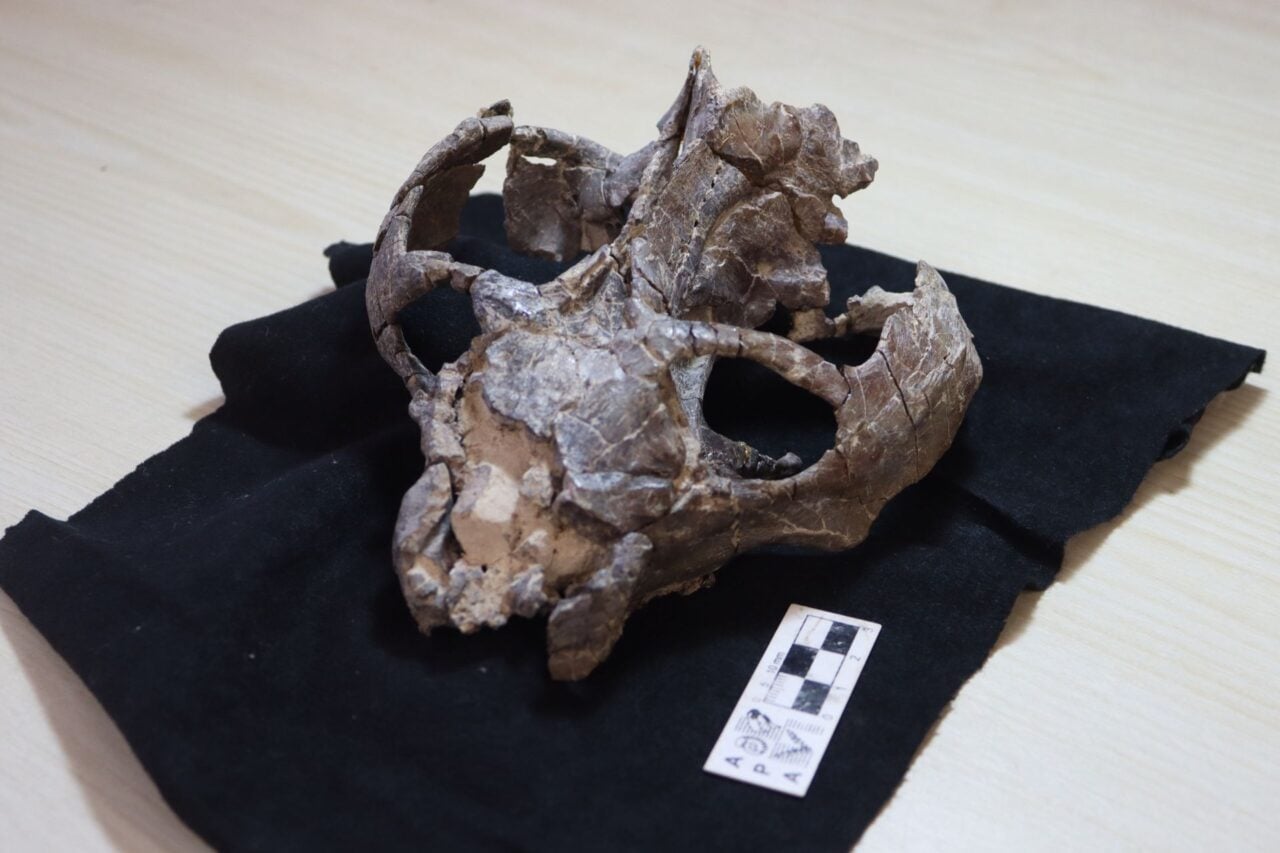
Researchers report evidence from a 236-million-year-old fossil that challenges the long-held view that cynodonts—an early group related to modern mammals—gave birth by laying eggs. The study, published in *Frontiers in Mammal Science*, argues that the animal may have been capable of viviparity, meaning live birth.
The findings are presented as the first compelling fossil-based evidence for live birth in cynodonts, implying that reproduction like viviparity could have evolved earlier than previously assumed. Phys.org and Gizmodo both describe the discovery as a shift in the understanding of mammalian reproductive history, moving away from a default egg-laying scenario for cynodonts. The outlets emphasize that the evidence is not simply theoretical but tied to physical details in the fossil record that researchers interpret as consistent with live birth.
While the studies focus on the new fossil evidence supporting viviparity, the broader context remains that this is a major reinterpretation of evolutionary reproductive timing, and that conclusions depend on how fossil characteristics are read and compared with modern reproductive biology.