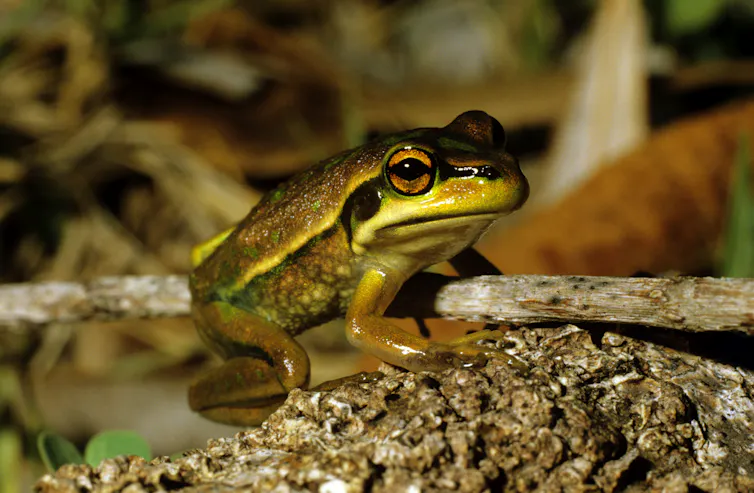
Feral cats and foxes now range across much of Australia, and they are a major driver of declines and extinctions among many native animals. A growing body of conservation work uses fenced “safe havens” and predator-free islands to keep these invasive predators out of areas where vulnerable species can recover.
Both outlets describe these enclosures as giving endangered mammals “breathing space,” helping protect species that are heavily affected by cats and foxes. However, they also note that such approaches are not yet delivering the same level of benefit for other animal groups. The limitation is linked to how different species respond to predator-free conditions and other threats beyond cats and foxes, including habitat pressures and species-specific ecological needs.
In this reporting, the differing angle is not on whether predator-free areas help mammals—they do—but on why the strategy does not translate as effectively to other groups. The overall picture is that the safe-haven model works for some taxa, while broader, more tailored measures are needed for others.