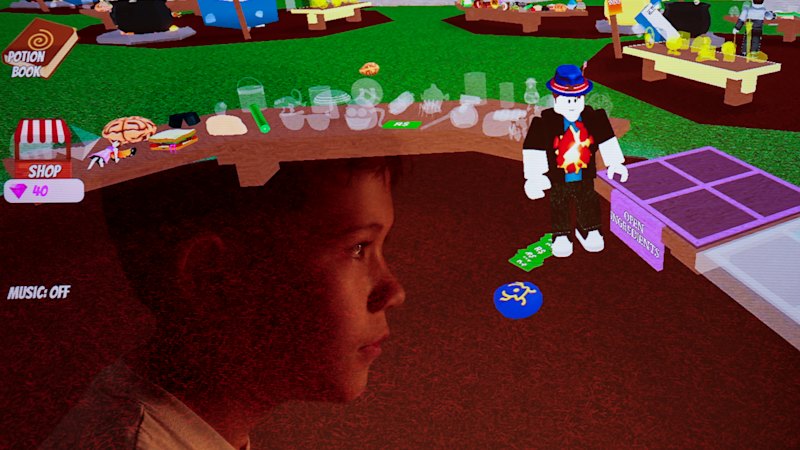
Reporting from Australia and New Zealand describes growing concerns about predatory practices in Roblox’s in-game economy and their impact on children. Across the outlets, experts say many young users encounter systems that make spending easier to pursue and harder to evaluate, with some suggesting children are effectively losing pocket money through scams or exploitative mechanics. The coverage notes that Roblox includes virtual items and a currency economy that can encourage repeat purchases, and that users—particularly children—may be exposed to misleading offers and deceptive prompts.
The stories also highlight concerns that Roblox-like environments can normalise gambling-style behaviors, including reward-based spending and mechanisms that resemble games of chance. While the articles focus on the findings and warnings from experts and studies, they do not indicate a single cause or universally accepted definition of “scams,” instead describing a range of practices that regulators and child-safety advocates have raised as risks.
Overall, the reporting calls attention to the vulnerability of children online and the need for stronger protections, clearer guidance, and better transparency around how in-game spending works.