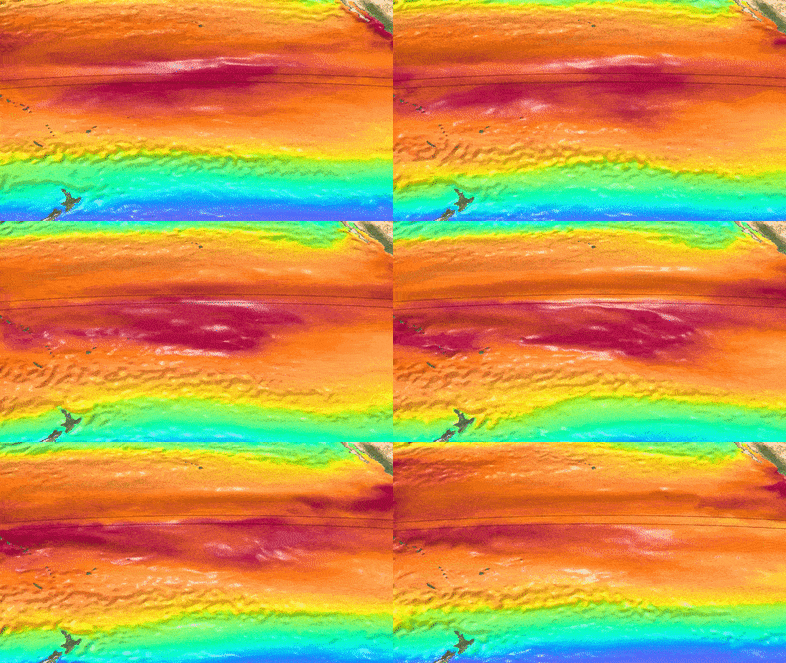
All three outlets warn that a series of overlapping global disruptions are increasing pressure on economies and communities, with the risk of worsening conditions ahead. They describe a war-related oil shock as a key driver of near-term strain, pointing to higher energy costs and potential knock-on effects for prices and supply chains.
In addition to the energy shock, the articles highlight the likelihood of climate impacts compounding the situation. Each notes the prospect of a “supercharged” version of a familiar climate pattern, suggesting that unusual weather could intensify rather than stay within historical norms. The combined effect, according to the coverage, is that people and systems already under stress may face further challenges from extreme heat, rainfall variability, drought conditions, or other disruptions associated with the climate pattern described.
While the pieces differ little in framing and do not provide specific dates or event details in the shared text, they converge on the core message: the interaction of an energy shock linked to war and potentially stronger-than-usual climate variability could make conditions worse in the near term.