


Psychologists study how and why “dad jokes” land with audiences by analyzing a large dataset of pun-based humor. Across reports, the research focuses on the features common to cheesy, literal, or corny wordplay—often involving puns and phrases taken too literally—that can either amuse listeners or cause groans. The work draws on results from evaluating roughly 32,500 dad jokes, seeking patterns in what makes these jokes successful versus unsuccessful. Rather than treating the humor as purely subjective, the researchers aim to identify aspects of delivery or wording that influence reactions, including whether the joke relies on established pun structures, exaggeration, or expected language interpretations. The findings are described as helping clarify why this style of humor can provoke both positive amusement and irritation, depending on how the joke is constructed and perceived. Overall, the coverage presents the study as an attempt to break down the mechanics of pun humor using a broad sample size and systematic analysis of joke characteristics.
Psychologists analyze 32,500 dad jokes to understand why puns work
Psychologists study how and why “dad jokes” land with audiences by analyzing a large dataset of pun-based humor. Across reports, the research focuses on the features common to cheesy, literal, or corn...

- Researchers analyze about 32,500 dad jokes.
- The study examines pun-based, “cheesy” humor, including corny puns.
- Dad jokes often involve taking phrases too literally or using literal interpretations.
- The humor produces mixed reactions, from amusement to irritation or groans.
- The goal is to identify factors that predict whether these jokes “fly or flop.”
Normally based on corny puns or taking phrases way too literally, such cheesy gags amuse and irritate in equal measure.
3 months agoNormally based on corny puns or taking phrases way too literally, such cheesy gags amuse and irritate in equal measure.
3 months ago
China and Nepal warn of possible breach of barrier lakes after deadly Himalayan floods
A deadly Himalayan flood in Nepal and on the China–Nepal border has left authorities warning of additional flooding risk...
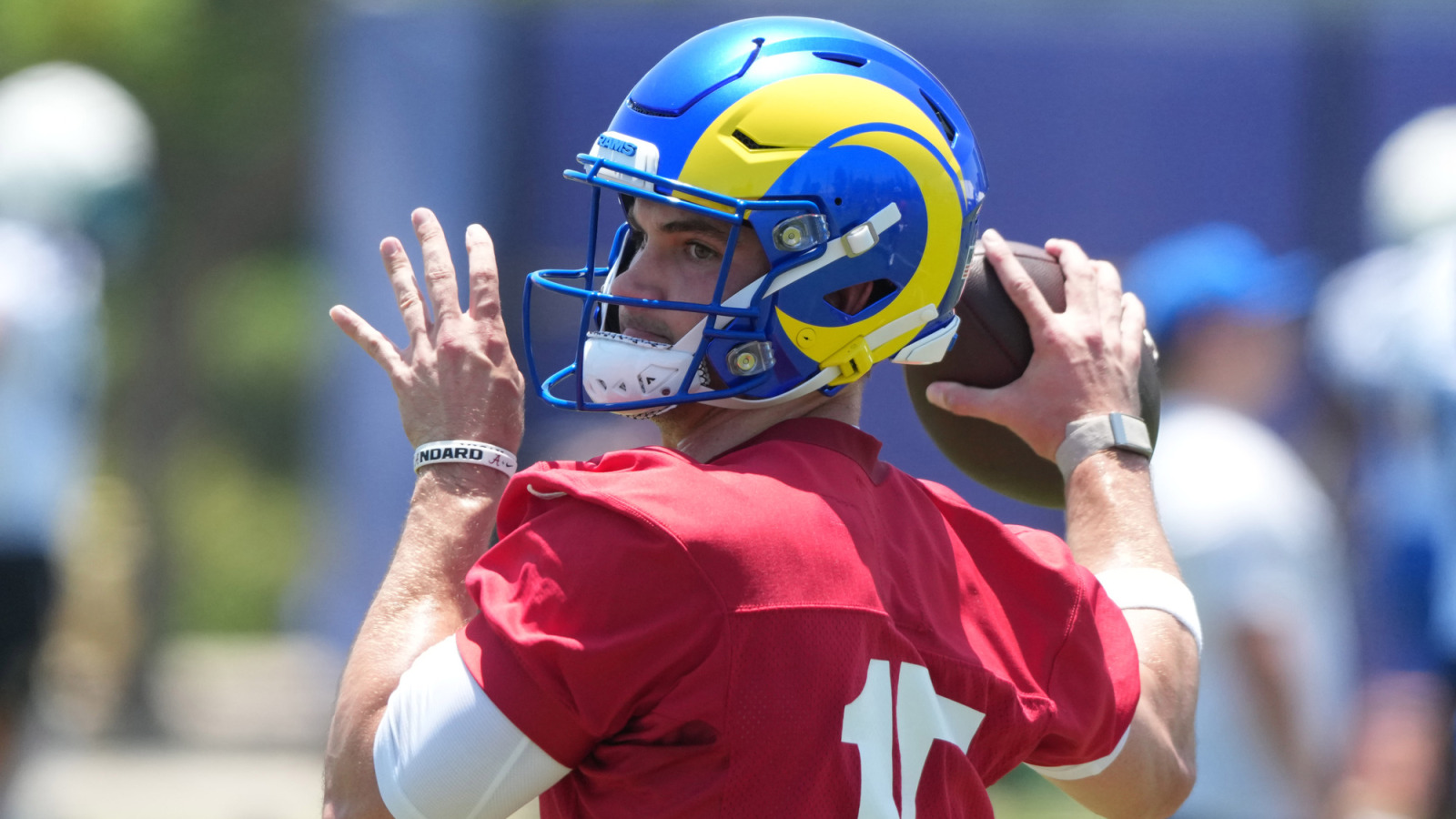
Rams rookie QB Ty Simpson shines in preseason debut vs. Chiefs
Los Angeles Rams rookie quarterback Ty Simpson makes a strong preseason debut, helping the team defeat the Kansas City C...

Trump administration moves to restrict international students’ internships
The Trump administration issues a memo to U.S. universities seeking to limit how certain internships are authorized for...