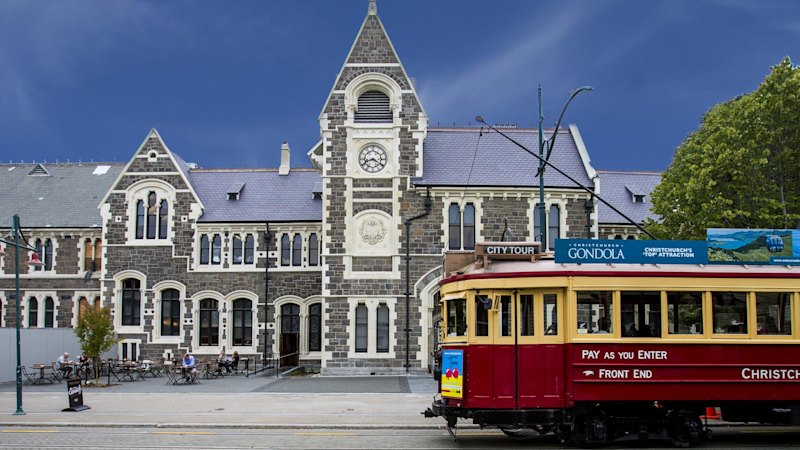
A New Zealand city is portrayed as having undergone a notable turnaround, emerging as a more vibrant centre for art, architecture and youth-led activity. The articles say this shift comes roughly 15 years after a major disaster struck the community, changing the city’s direction and public image.
The reports describe the city as having previously been seen as staid and church-oriented, with limited momentum for cultural and creative growth. Across the outlets, the transformation is linked to increasing visibility of arts and design, alongside new energy from younger residents. While the provided summaries emphasize the “capital of cool” framing, they broadly align on the same timeline and the same core themes: post-disaster rebuilding and renewed cultural dynamism. None of the sources in the material provided dispute the general narrative of change, but they focus on different aspects of what the city’s new identity looks like today.
Overall, the outlets agree that the city’s contemporary reputation is markedly different from the one it carried before the disaster, with culture and youth participation playing central roles in how that shift is understood.