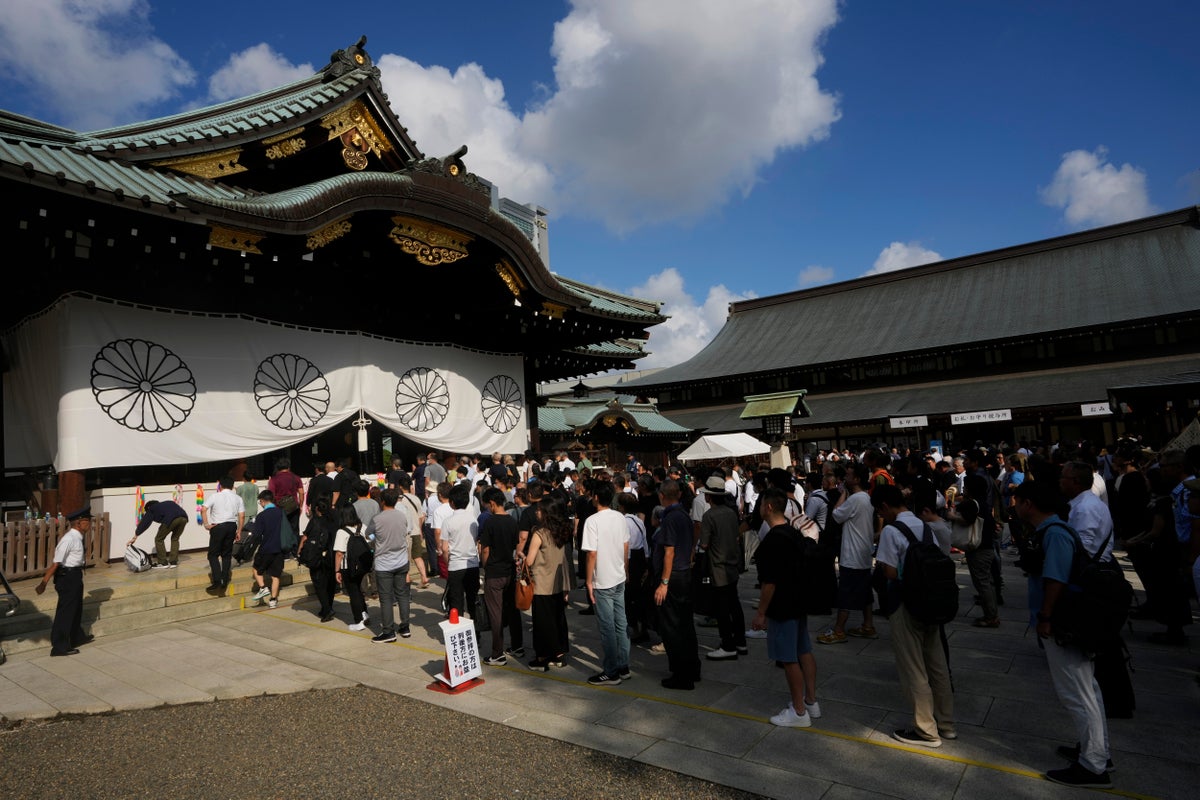
Japan’s Yasukuni Shrine in Tokyo honors more than 2.4 million people who died serving Japan, but it remains one of the country’s most divisive memorial sites. The shrine’s history and the beliefs attached to it are closely tied to Japan’s wartime legacy and the way different communities view commemoration.
Across coverage, Yasukuni’s role as a place of remembrance is presented alongside its controversy. The dispute centers on who is enshrined and how that is interpreted in Japan and abroad. While some see the shrine as a solemn memorial for the fallen, others argue that it is linked to a more contentious interpretation of Japan’s war past. This tension shapes how the shrine is discussed and how political visits and public debates can inflame regional and international sensitivities.
Together, the sources frame Yasukuni as both a historical memorial institution and a continuing focal point for differing perspectives on remembrance, responsibility, and historical memory in Japan.