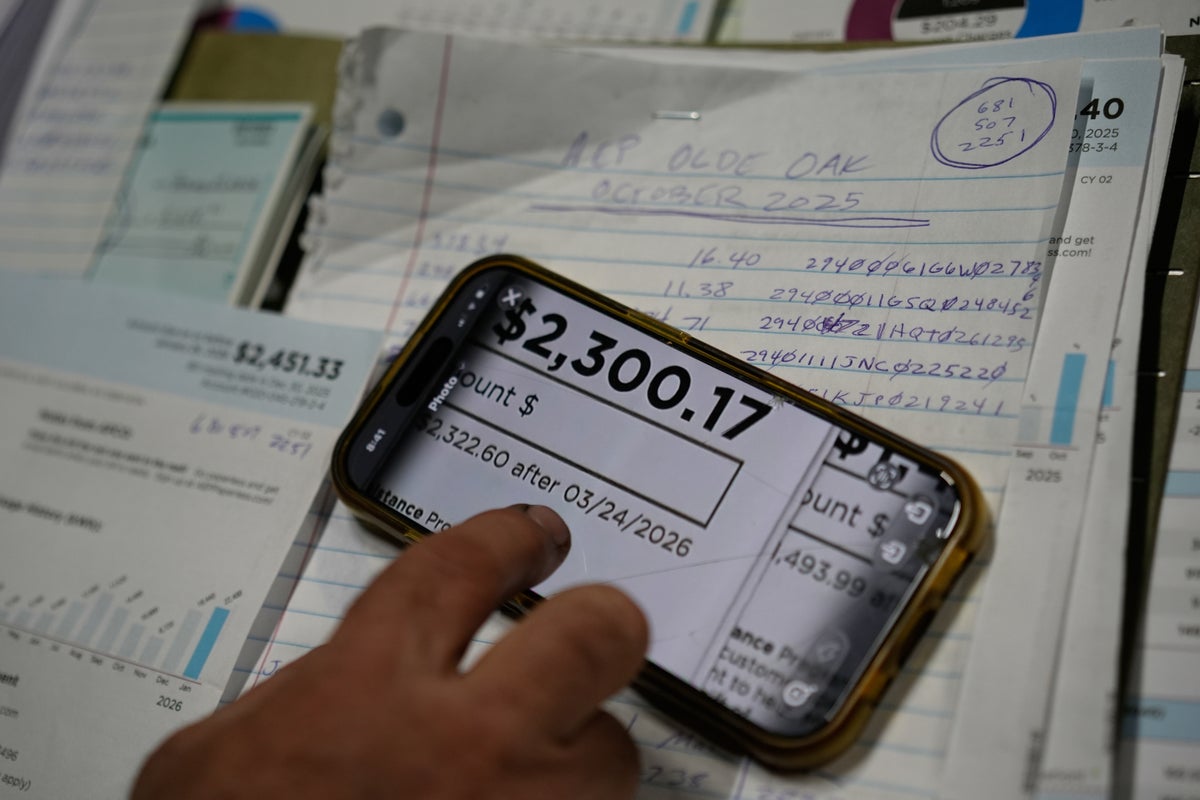
Some U.S. states are increasingly scrutinizing utility earnings as consumers report rising electricity bills, with the debate shaped by growing power demand linked to the artificial intelligence boom. Reporting from multiple outlets describes efforts in different states to examine whether utility profits and related charges are proportionate to costs and investments, and how billing outcomes are determined under existing regulatory frameworks.
The coverage emphasizes that higher electricity prices are driving political and regulatory attention, including calls for oversight and tighter scrutiny of rate-setting practices. Utilities, in turn, generally argue that revenues and profits help finance grid upgrades and other infrastructure needs associated with surging electricity demand. The disputes highlight the tension between consumer-facing costs and the incentives created by utility regulation, including how returns on investment are calculated and approved.
Overall, the articles portray an ongoing state-level policy fight over the balance between consumer electricity affordability and utility profitability, set against a backdrop of rapid changes in demand for electricity.