


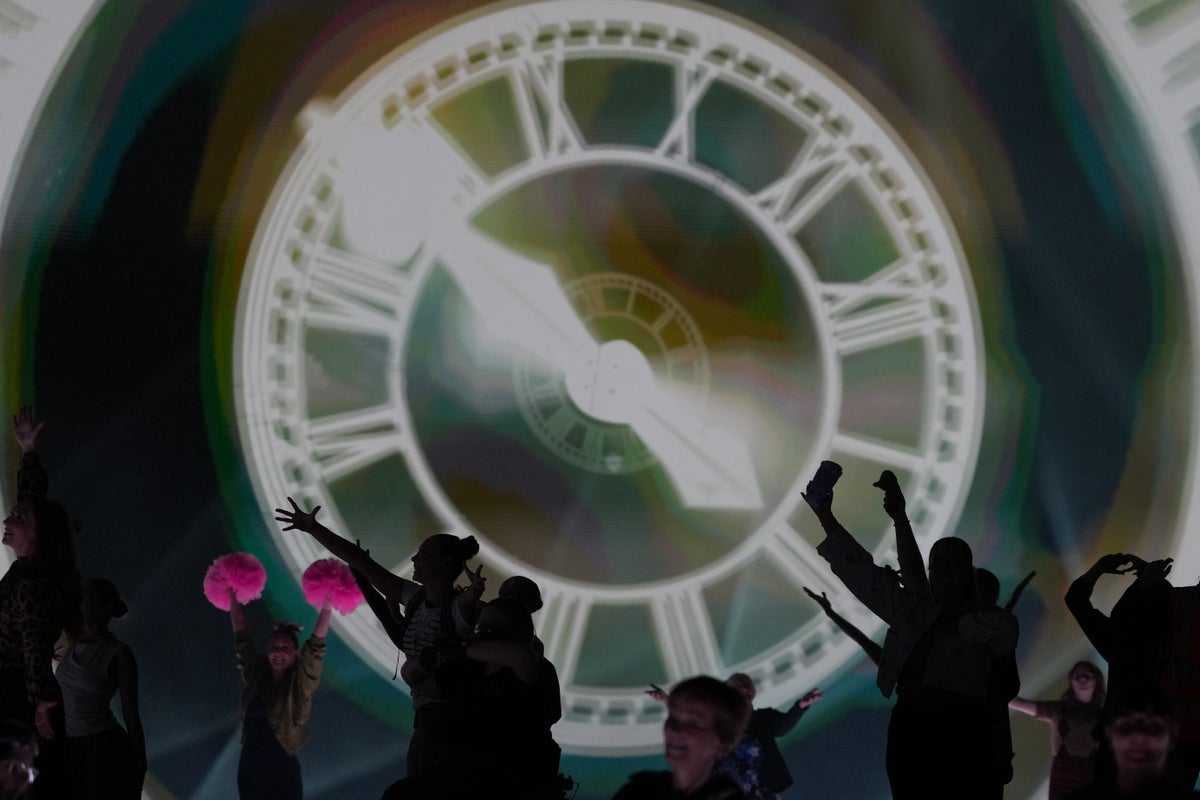
Different outlets discuss how “official time” is shaped by politics, technology and administration rather than by any single universal standard. They describe the evolution of clocks and calendars as societies try to coordinate daily life, commerce and governance, with rules for timekeeping often reflecting power structures and practical needs.
Both sources connect this history to contemporary controversy over time zones. As countries and regions adjust offsets for economic, social or administrative reasons, timekeeping becomes a site of disagreement about identity, access and coordination. While the underlying concept of time is widely shared, how it is measured and enforced varies across cultures and eras.
The coverage largely aligns on the broader theme: timekeeping systems are constructed and maintained through decisions by institutions and authorities. The discussion differs mainly in emphasis—one article frames the issue as “hidden politics” behind clocks and calendars, while the other repeats the same framing focused on contentious time zones—rather than presenting competing accounts of specific events.


