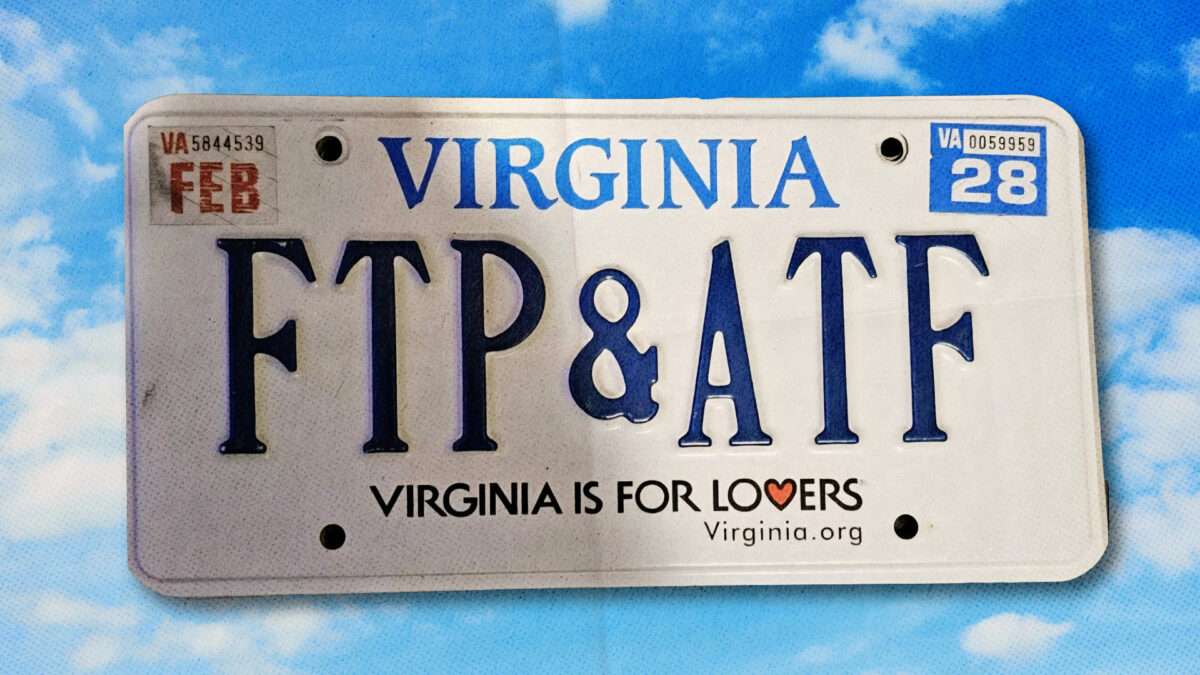
A Virginia man, Curtis Whateley, argues that the state’s restriction on his anti-police vanity license plate—designed as “FTP & ATF”—is protected free speech. The case centers on whether the plate’s message is “private speech” under the First Amendment rather than government speech.
A federal appeals court rules that Whateley’s plate is private speech protected by the First Amendment. In response, Virginia indicates it will seek further review, potentially from the U.S. Supreme Court. That procedural step would determine whether the Supreme Court takes up the dispute and clarifies the legal standard for regulating license plate messages.
Across the available coverage, the main points align on the appeal-court outcome—that Whateley’s plate falls under First Amendment protection—and on Virginia’s plan to ask the Supreme Court to consider the matter. The reports differ mainly in emphasis, with some focusing on Whateley’s “free speech” framing and others on the likelihood and significance of Supreme Court review.