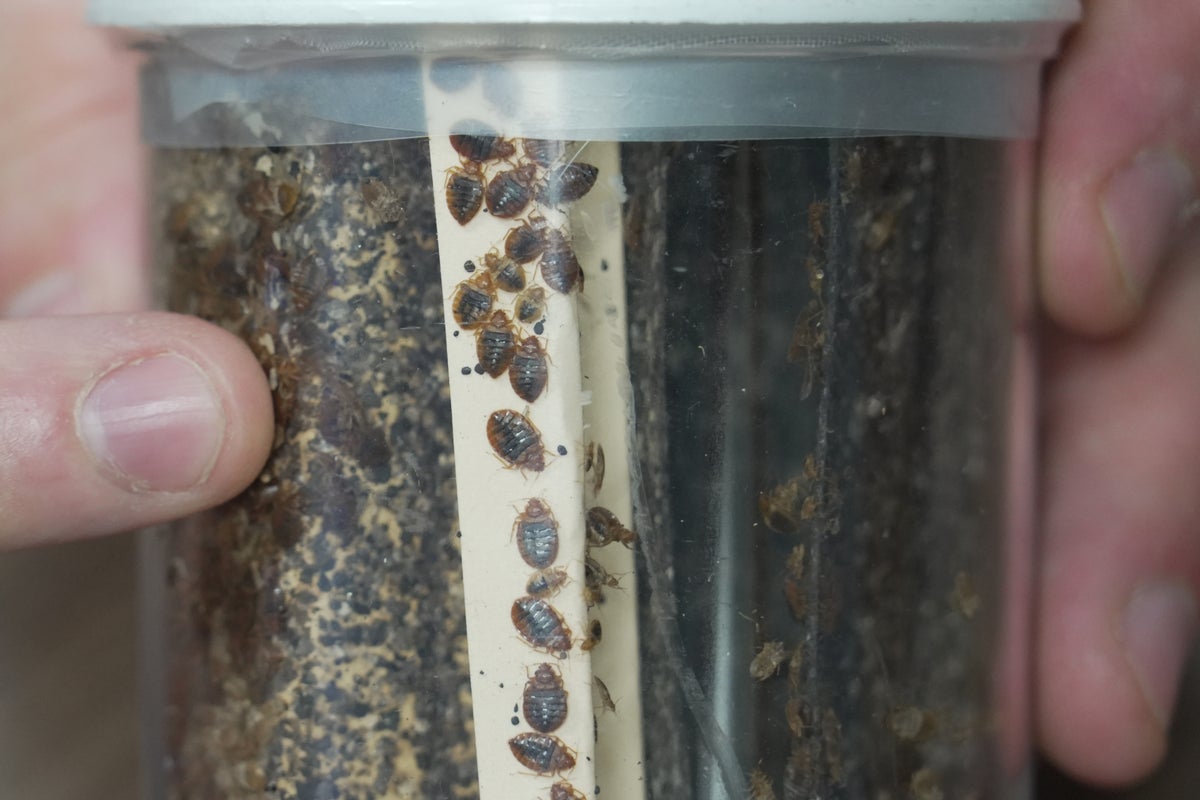
Bedbugs are increasingly reported and are described by outlets as a recurring seasonal problem, with infestations often worsening during certain times of the year. They feed on people at night, which can disrupt sleep and lead to physical effects such as skin irritation and, in some cases, blood from bites.
The articles focus on what residents can do to manage bedbugs. While some coverage uses vivid language to explain the insect’s behavior—hiding during the day and feeding at night—the practical message across outlets centers on awareness and response. Because bedbugs can be difficult to eliminate once established, the guidance typically emphasizes taking action early, identifying signs of infestation, and using appropriate treatment approaches rather than relying on myths or ineffective measures. Coverage does not present major disputes in the reports provided, but it varies in tone: some highlight health impacts like sleep loss and bites, while others frame the issue through common public messaging about preventing bedbugs.
Overall, the sources agree that bedbugs pose both nuisance and health concerns, and that readers benefit from clear, timely steps for prevention and addressing infestations.