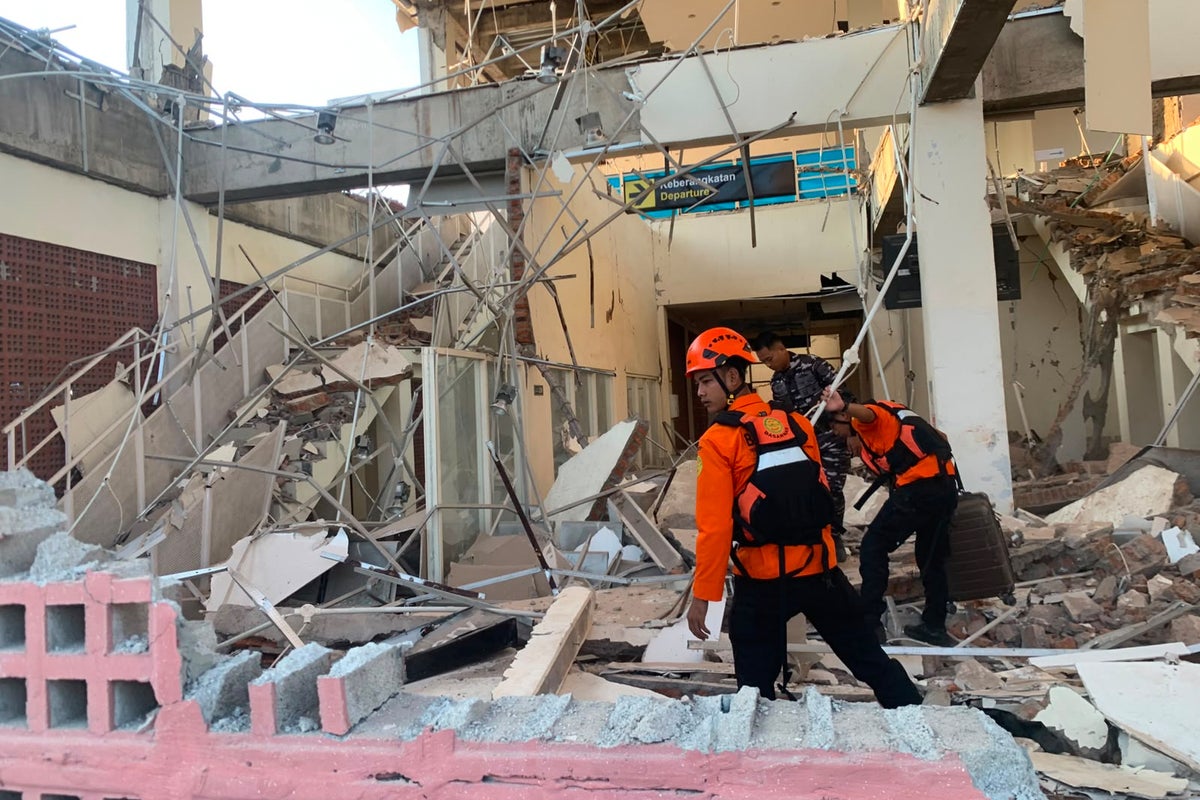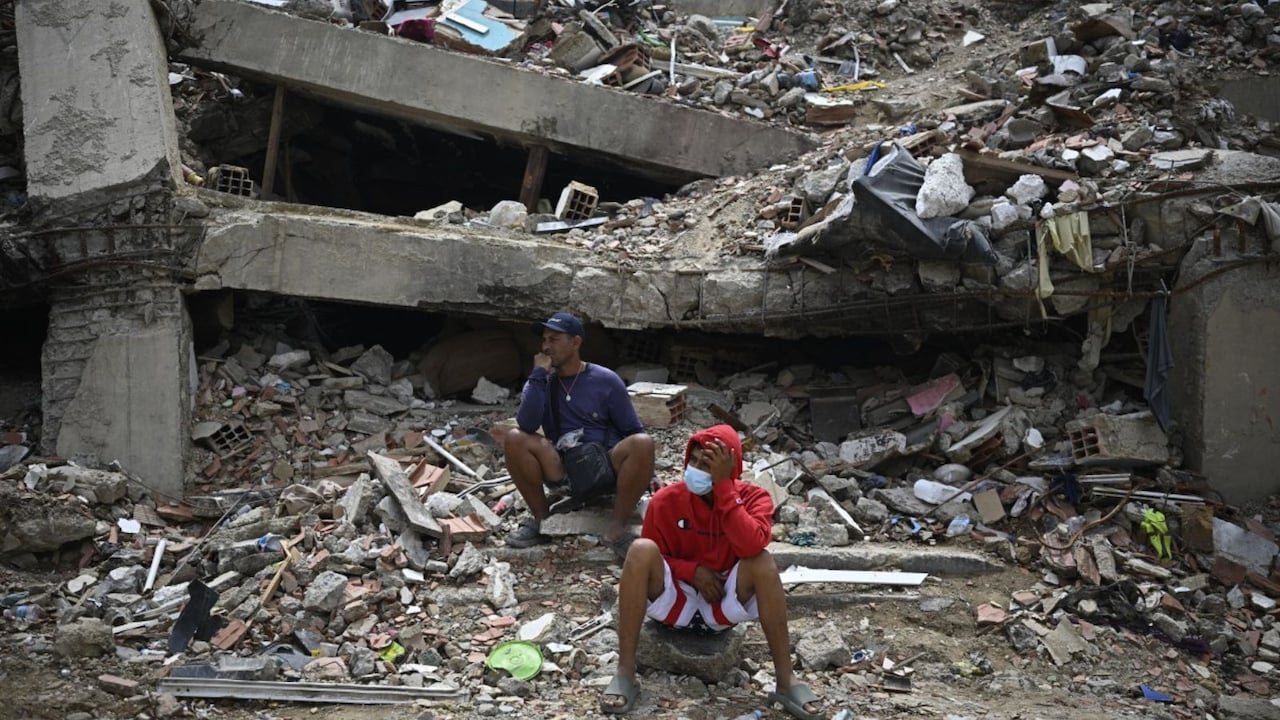
Two earthquakes—one in Venezuela and another in Colombia weeks later—prompt rescue operations that differ in scale and coordination, according to witnesses, aid workers, and security personnel cited by different outlets.
In both countries, rescuers respond amid damaged buildings and disrupted services, but accounts focus on how governments mobilize resources and manage aid. Coverage contrasts the availability and speed of local response teams, communication with affected areas, and the integration of assistance from external actors.
While both sources describe similar challenges common to quake aftermaths—such as search-and-rescue needs and survivor support—their emphasis differs. One report frames the contrast around government capacity to respond to disaster across the two nations, while the other uses a “tale of two buildings” comparison to illustrate how response outcomes vary depending on on-the-ground resources and coordination. Overall, both articles attribute differences in rescue efforts to contrasting preparedness and operational capacity rather than to any single cause.