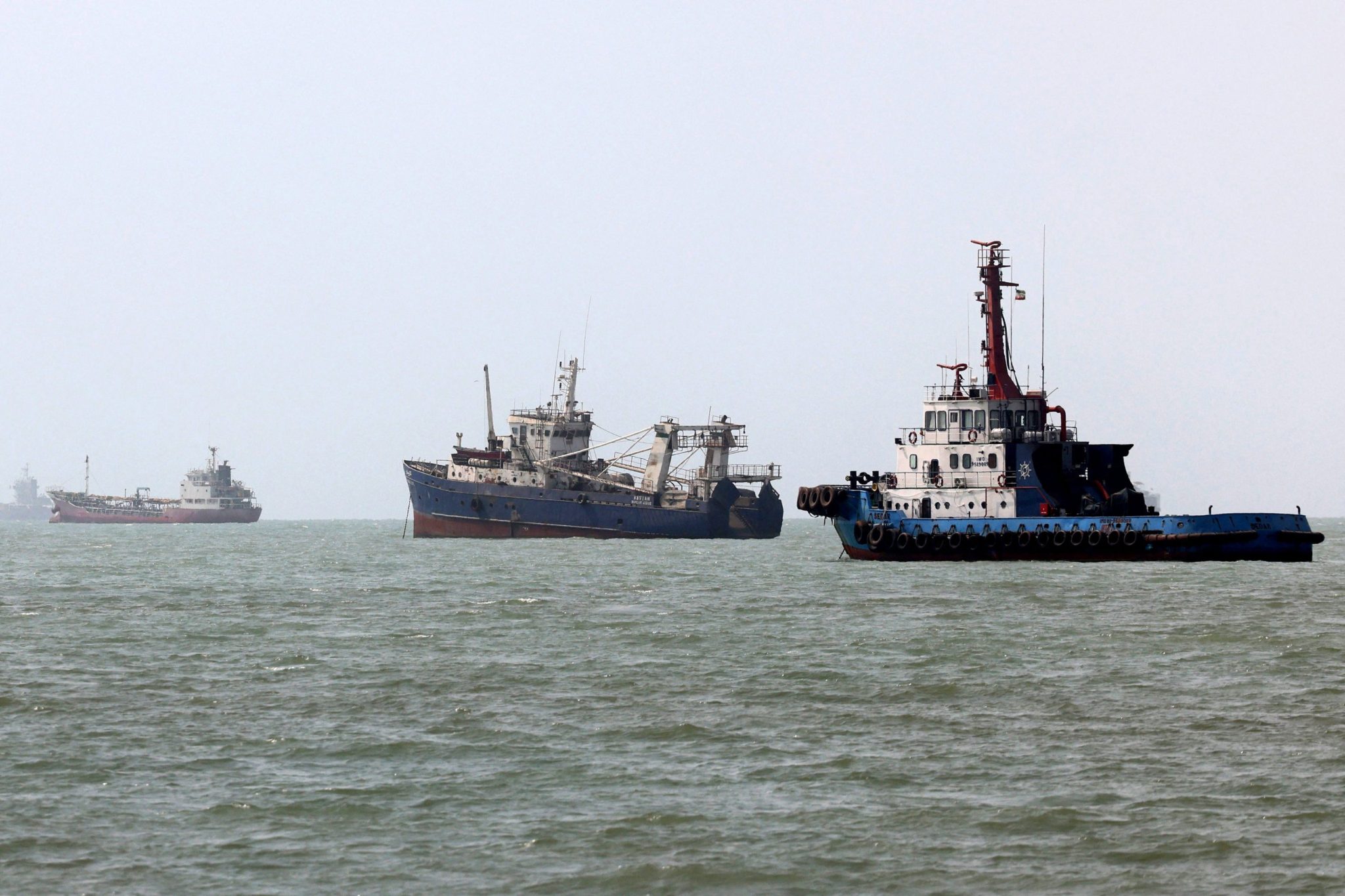
Covert oil transfers in the Middle East involve moving crude through the Strait of Hormuz and transferring it to tankers in the Gulf of Oman, according to reporting shared across outlets. The activity is described as operating at full capacity even amid security concerns, suggesting it continues to supply global markets.
Fortune and the Japan Times both link the flow of these largely undisclosed movements to broader price dynamics, stating that the hidden transfers help keep global oil prices in check. The outlets also point to the heightened risk environment in the region, including recent attacks on vessels, which frames the persistence of the transfers as occurring despite ongoing threats.
While both sources emphasize the same core mechanics—shipping through the Strait of Hormuz and then transferring cargo in the Gulf of Oman—and the same market implication—stabilizing effects on global prices—their framing differs slightly. Fortune focuses on how these covert flows restrain prices, while the Japan Times highlights that the trade continues despite recent attacks on maritime traffic.