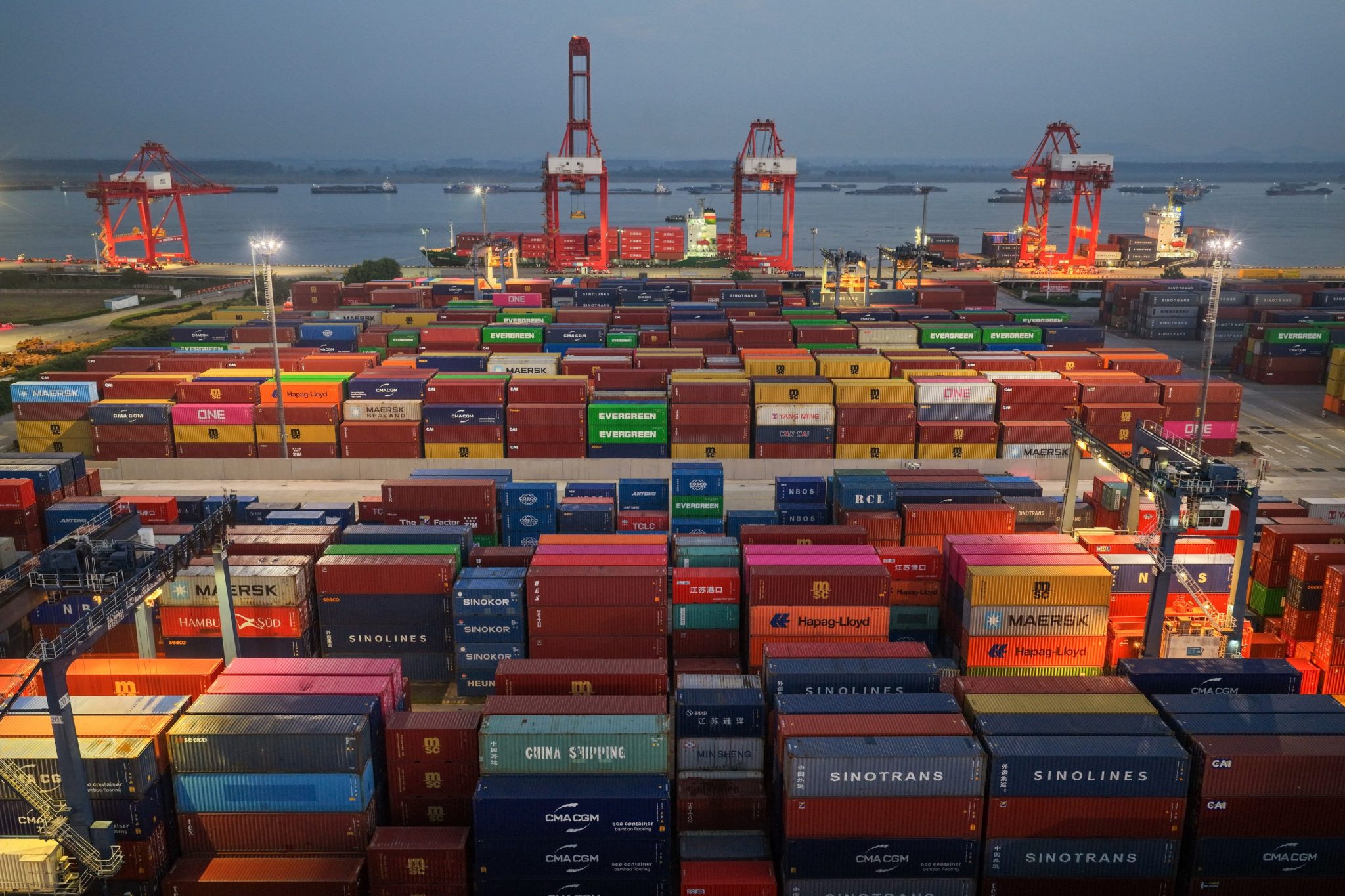
The White House releases a report asserting that “transshipment” reroutes Chinese goods through other countries and costs the United States as much as $303 billion. China, the European Union, and Singapore push back against the report’s framing and figures, arguing that the claims are not supported as presented.
The outlets describe the disagreement as both factual and political. China disputes the report’s characterization of trade flows, while the EU and Singapore reject elements of the “scam” narrative and say the report does not accurately reflect how legitimate shipping and trade work. The dispute centers on whether goods are being fraudulently rerouted to evade U.S. measures, or whether alternative routing reflects normal logistics and supply-chain practices. The different reactions highlight varying views on evidence quality, methodology, and what counts as evasion versus ordinary trade.
While the White House points to potential economic impact and enforcement concerns, the responding governments focus on the reliability of the underlying assumptions and emphasize that trade data and compliance structures should be interpreted more carefully. The controversy underscores continuing friction over U.S. trade policy and tariff-related disputes involving China and major trading hubs in Asia and Europe.