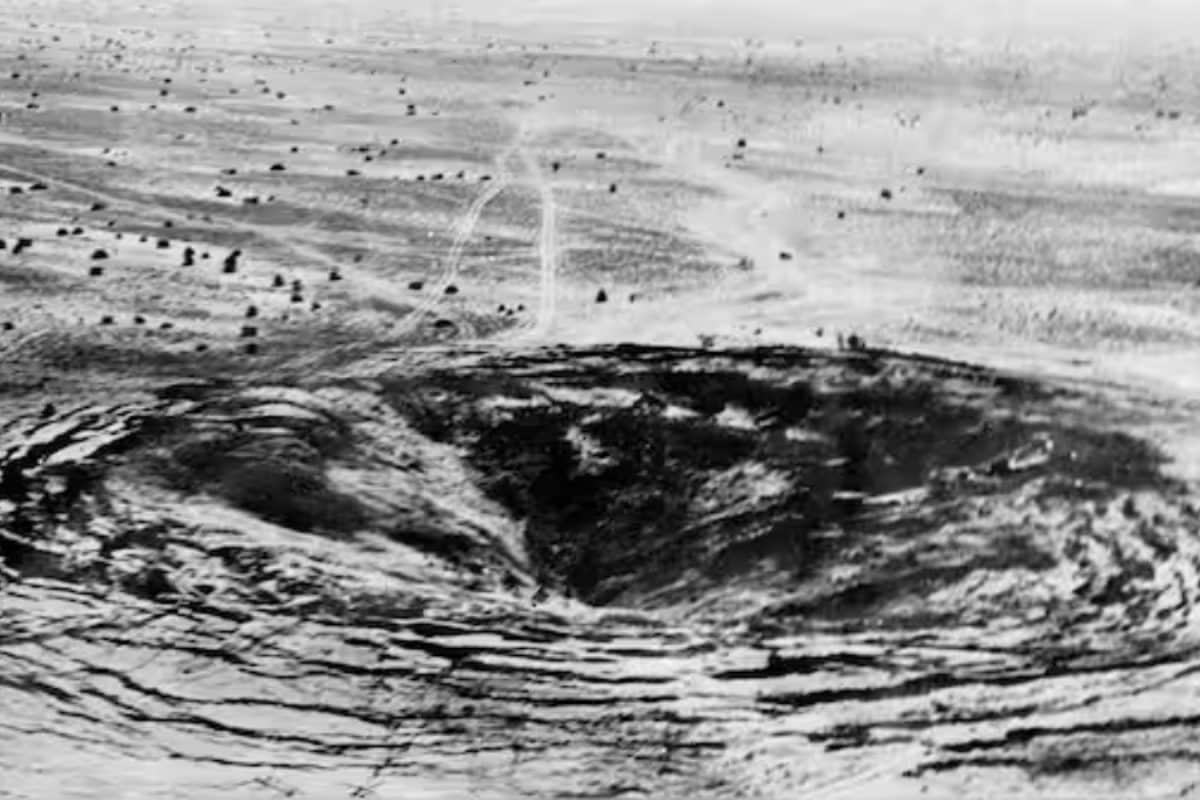
On 18 May 1974, India conducts an underground nuclear test at Pokhran in Rajasthan, detonating a nuclear fission device codenamed “Smiling Buddha.” The test is carried out in the Thar desert and is described by sources as India’s entry into the group of countries that have successfully tested a nuclear device. According to the accounts, the detonation enables India to become the sixth nation in the world to carry out such a test.
Multiple outlets also note that the government’s framing of the exercise is as a “peaceful nuclear explosion,” a term used at the time to distinguish it from weapons-related testing. The test occurs during a period of wider public attention, with one outlet linking the date to Buddha Purnima. In the years following, the event continues to be discussed for its scientific significance and the debate it sparks, as well as its impact on India’s global standing.
Overall, the sources present “Smiling Buddha” as a historic moment in India’s nuclear history, centered on the 1974 Pokhran underground test.