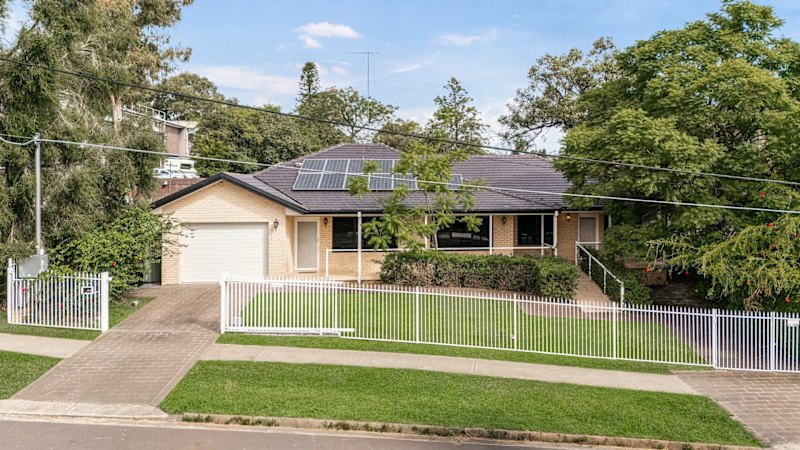
Seven investors compete to buy a Sydney house listed at about $1.95 million, according to reports from multiple outlets. The prospective purchaser who makes the strongest play is described as planning to rent the property and hold it long-term, sometimes referred to as “land banking.” That buyer’s strategy focuses on using the home for rental income while keeping it for future sale rather than seeking an immediate flip.
Another participant in the bidding is described as an underbidder who visited the property during the campaign period and reportedly drives by the location, suggesting interest in the area’s characteristics. While the accounts emphasize differing motivations among the bidders—such as renting and longer-term holding versus location interest—they are aligned on the central details: the number of parties involved, the property’s price range, and the context of tax change discussion surrounding investor decision-making.
Across the coverage, the story centres on investor behaviour and auction or selling process dynamics in Sydney, with the proposed or ongoing tax changes presented as part of the backdrop influencing how buyers approach the acquisition and intended use of the property.