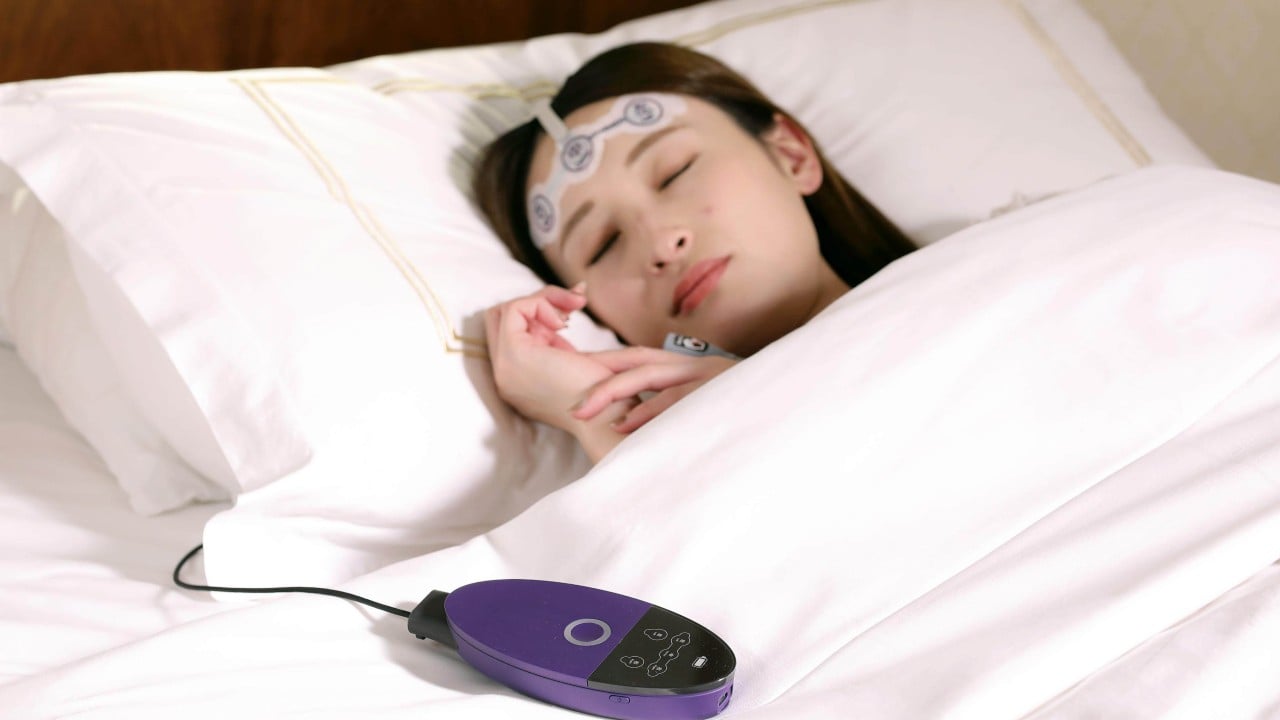
Japan’s hotels are increasingly offering “sleep tourism” experiences—stays designed to improve the quality of guests’ sleep. The trend has grown in popularity in recent years, including among overseas visitors, and hotels are positioning the concept to draw health-conscious customers seeking rest and recovery.
One example highlighted by outlets is Hotel 1899 Tokyo in Tokyo’s Shimbashi business district. Its sleep retreat plan, known as “totono-ne,” focuses on relaxation activities such as serving tea. Guests receive a “sleep diagnosis” by answering a set of simple questions on a leaflet, which is used to guide the experience, including a cup of blended tea.
Both reports describe sleep tourism as an emerging hospitality niche that combines assessment-style engagement with personalized comforts and calming elements. While coverage varies in how it frames the appeal—such as health-oriented marketing versus the specific components of the program—the core details are consistent: hotels are packaging sleep-improvement routines into themed stays.