


Indonesia’s rupiah falls to a new record low as higher oil prices intensify concerns about government energy subsidies and the size of the budget deficit. In the latest session, the currency drops about 1.1%, trading around 17,658 per U.S. dollar, according to one report. Another outlet reports the rupiah reaches an all-time low alongside broader market weakness, with Indonesia’s stocks sliding and bond yields rising. The market sell-off is linked in part to the advance in oil prices, which can affect domestic fuel subsidy costs and fiscal expectations. Trading activity also reflects that local markets reopen after a two-day holiday, adding to volatility. Across sources, the direction of the move is consistent: the rupiah weakens to record levels, equity markets decline, and bond yields increase as investors adjust to changing macroeconomic expectations tied to energy prices. The reports describe no specific policy response, focusing instead on how oil-driven expectations are affecting currency, stock, and bond markets in the near term.
Rupiah hits record low as oil prices rise; stocks fall and bond yields increase
Indonesia’s rupiah falls to a new record low as higher oil prices intensify concerns about government energy subsidies and the size of the budget deficit. In the latest session, the currency drops abo...
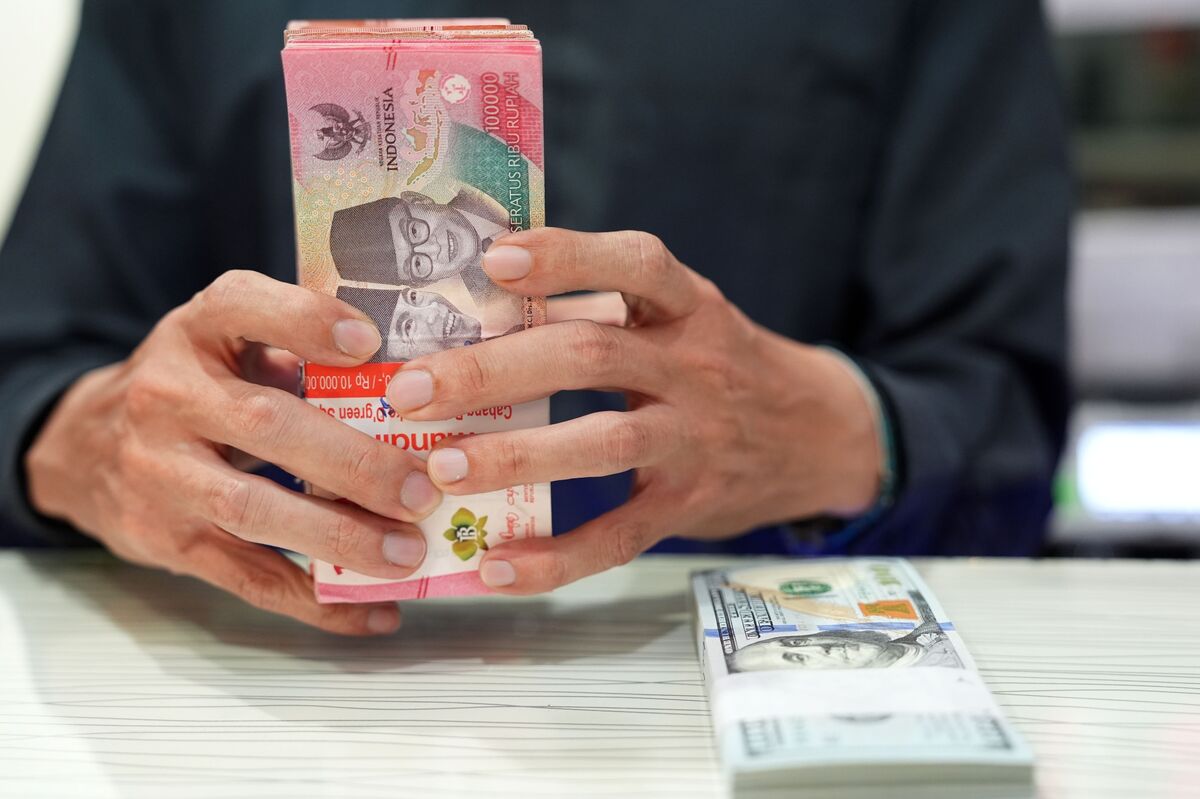
- Indonesia’s rupiah weakens to a new record low against the U.S. dollar, around 17,658 per dollar.
- The rupiah falls by about 1.1% in the latest reporting period.
- Higher oil prices raise concerns about energy subsidies and a wider budget deficit.
- Indonesian stocks decline as the currency and bond market move lower.
- Bond yields rise alongside the stock and currency falls.
The currency falls 1.1% to 17,658 per dollar as higher oil prices raise concerns over subsidies and a wider budget deficit.
3 months agoThe Indonesian rupiah fell to a new all-time low, stocks slid and bond yields surged as oil prices advanced and as local markets reopened after a two-day holiday.
3 months ago
Hedge fund boss Phil King to step down as Regal Partners chief investment officer
Regal Partners chief investment officer Phil King is set to step down, according to multiple Australian outlets. Both Br...

Miley Cyrus pays tribute to godmother Dolly Parton after her death at 80
Singer Miley Cyrus publicly mourns Dolly Parton after the country music icon dies at age 80, with multiple outlets repor...

Nepal-Tibet flash floods kill dozens, with many Indians reported missing as rescues continue
Flash floods linked to heavy surges from Tibet hit parts of Nepal, killing dozens of people and leaving many Indians mis...