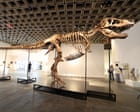
A fossil collection gathered on Britain’s Jurassic Coast is now displayed at the Natural History Museum in Abu Dhabi after being sold overseas, prompting criticism from experts who call it a loss to the nation. The collection is described as among the UK’s best, and its overseas sale is linked by scientists to a broader market trend in which high-value dinosaur fossils are increasingly bought by private collectors.
Multiple reports say rising prices can reduce the ability of domestic museums to acquire and retain significant specimens. Scientists and museum professionals argue this may limit opportunities for researchers to observe material firsthand, conduct comparative studies, and access newly acquired fossils within national research networks. The outlets also frame the sale within the wider growth of fossils as a commercial asset, raising questions about how that shift affects long-term scientific knowledge and public access.
While the accounts focus on the same event and its implications, they differ mainly in format: one is a video feature and the other a podcast conversation with a Guardian science correspondent. Both emphasize expert concerns about how the privatization and international redistribution of fossils could influence research outcomes.