


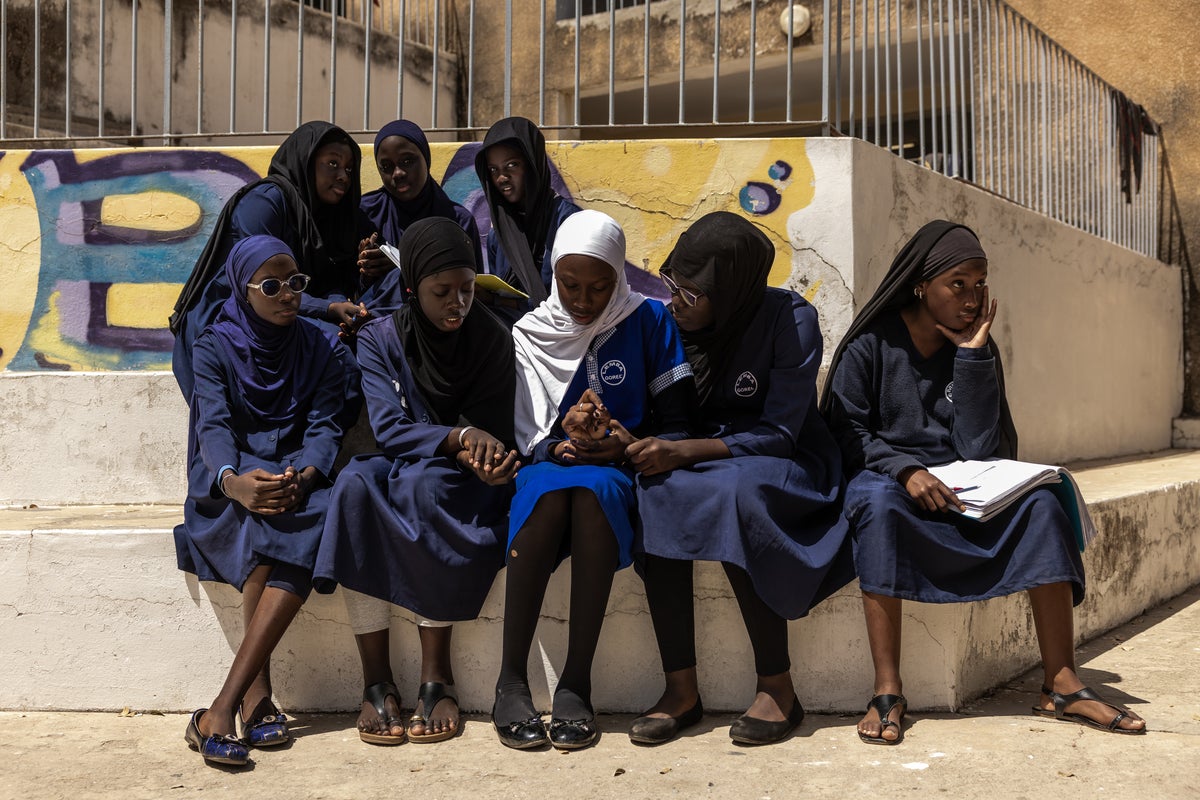
Senegal’s first elite boarding school for girls is designed to help “brightest” students push back against patriarchal norms while advancing education. Reporting from multiple outlets describes the school as a model for expanding opportunities for girls in a country where household and social expectations can limit schooling and personal autonomy.
Both sources place the development in a broader context of Senegal’s progress and remaining challenges in girls’ education. They characterize the country as having made gains in schooling access, including for Muslim communities, while noting that cultural and gender-based barriers still affect expectations for girls’ roles. The outlets largely agree that the school combines academic training with an environment meant to strengthen girls’ confidence and future options. Differences are mostly in emphasis: one outlet frames the story around the school’s social impact and the girls’ ability to resist patriarchal norms, while the other emphasizes the country’s overall progress alongside the scale of continuing obstacles.
Across coverage, the common focus is that the school represents both an educational milestone and an ongoing effort to address gender inequality beyond the classroom.


