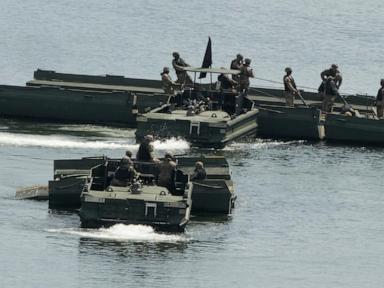
The United States and South Korea have a long-standing practice of conducting joint military drills to prepare for potential contingencies involving North Korea. Coverage emphasizes that these exercises are a central element of the alliance’s readiness planning and interoperability between the two militaries.
Both outlets frame the issue in relation to changes initiated during Donald Trump’s presidency, which included reductions to the scale or frequency of drills. The reporting highlights that cuts to training have implications for how the alliance prepares for threats from North Korea, while also reflecting broader discussions about deterrence, diplomacy, and signaling. The articles focus on the role of drills within alliance strategy rather than on specific incidents, casualty figures, or direct developments on the ground.
While the shared core point is that drills are regularly used for preparedness, the sources differ mainly in how they connect the drills to alliance functioning and policy shifts under Trump, rather than presenting conflicting facts about the exercises themselves.