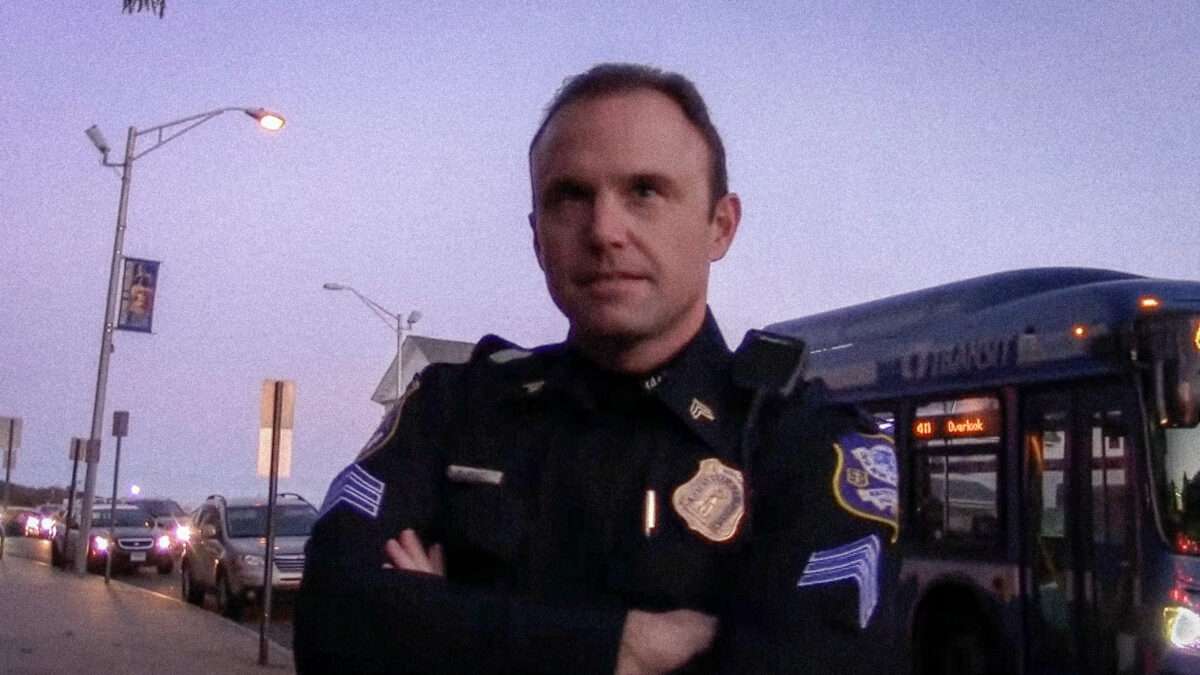
A federal appeals court upholds a videographer’s First Amendment right to record police officers, but also rules that the officers involved are shielded by immunity. The decision concerns the arrest of a Connecticut videographer, arising from law enforcement activity captured on video.
The ruling comes from the U.S. Court of Appeals for the Second Circuit, which finds that the right to film police is protected under the First Amendment. At the same time, the court grants immunity to the officers who arrested the videographer, meaning the case cannot proceed against them in their individual capacity. The outcome reflects the difference between recognizing a constitutional right and determining whether liability can be imposed under immunity doctrines.
Across outlets, the emphasis differs: some focus on the reaffirmation that filming police is constitutionally protected, while others underscore the legal limits created by immunity that can bar damages or other claims even when the recording right is recognized. The practical effect is that the videographer’s case is constrained despite the court’s view on the underlying constitutional principle.