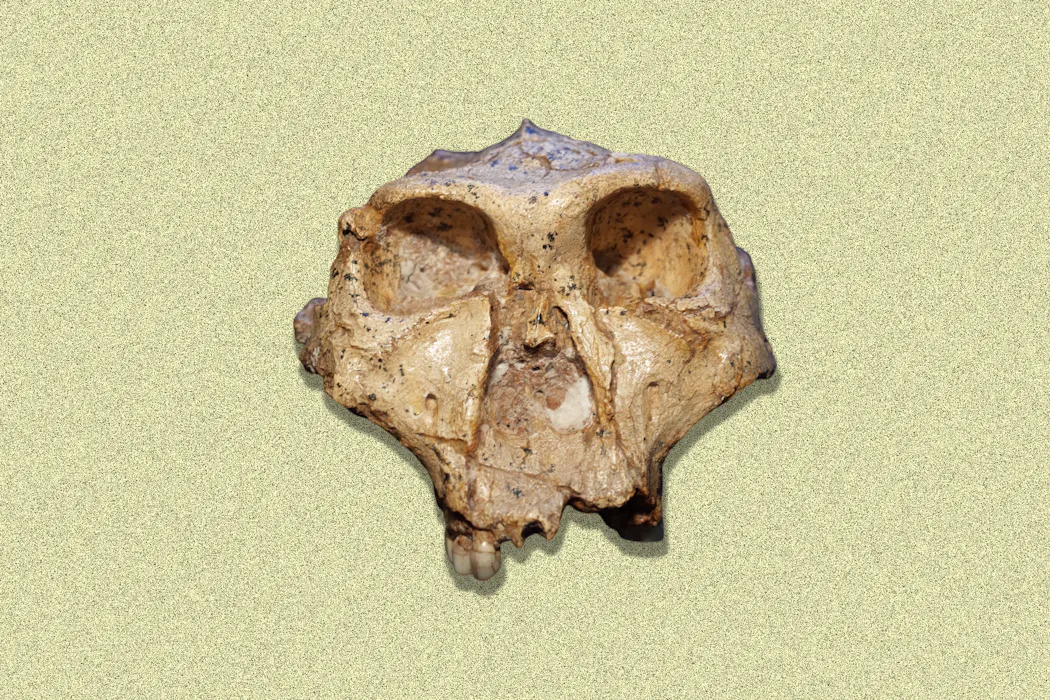
Researchers writing across outlets say current “family tree” classifications of early human relatives are inconsistent and may not accurately reflect relationships among ancient populations. They argue that how species and lineages are named and grouped can be misleading because fossil evidence is incomplete and traits can vary within and across groups.
The Conversation and Nautilus both frame the issue as one of classification rather than of major new fossil discoveries. They suggest that a “simple fix” could involve adjusting the method used to define and label branches—potentially using more consistent criteria for distinguishing lineages—so the resulting family tree better matches what the evidence can support.
While neither source presents a single specific policy or unanimous scientific consensus, they converge on the view that the current taxonomy for human ancestry is “messy” and that rethinking it could clarify debates about where particular fossils and traits fit. The differing angles are largely stylistic: both outlets emphasize the same core problem—classification practices—though they may differ in how strongly they urge readers to change existing conventions.