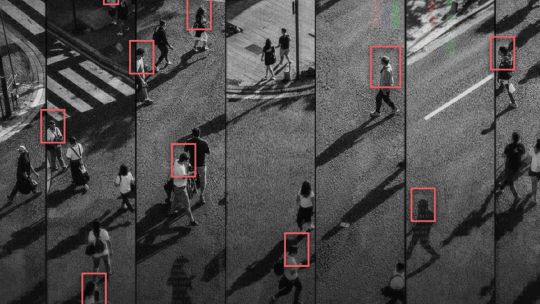
Amnesty International says Argentina is moving toward a “surveillance state” that suppresses public dissent. In a report, the group argues that authorities create databases of protesters, monitor people’s social media activity, and use facial recognition technology.
Amnesty says these measures reduce the willingness of people to take part in protests because they increase the perceived risk of identification and retaliation. The Free Malaysia Today and Buenos Aires Times both describe Amnesty’s central criticism as focusing on online and digital surveillance tools and their effect on protest rights.
While both outlets emphasize Amnesty’s message, their coverage differs in wording and scope. The Buenos Aires Times highlights “massive online surveillance” as a deterrent to the right to protest, while Free Malaysia Today specifically lists the components of the alleged approach, including social-media monitoring and facial recognition. Both present Amnesty’s claims as contained in its latest report.