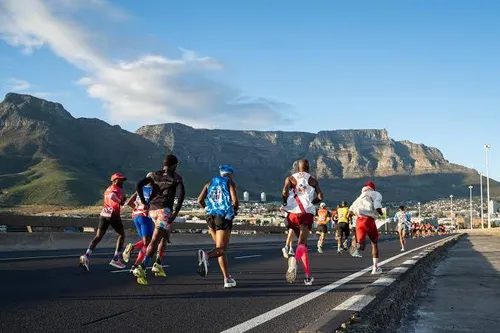
Marathon runners are changing how they prepare for races as hotter weather becomes more common. Across outlets, runners describe adapting pace and adjusting running schedules and locations, including choosing routes and times with more favorable temperatures. Some also use specialized cooling gear to help manage heat during training.
The coverage frames these changes within the broader context of climate change affecting endurance sports. Runners treat heat as a training variable that influences day-of-race decisions, not just general fitness. Beyond adjusting how far and how fast they run, they also account for practical factors such as hydration and what they can tolerate—down to specific nutrition items like gels—during warm conditions. While outlets emphasize different aspects of preparation (training logistics and cooling methods versus the wider set of race-day variables affected by rising temperatures), both describe a shift in marathon planning as weather becomes less predictable.