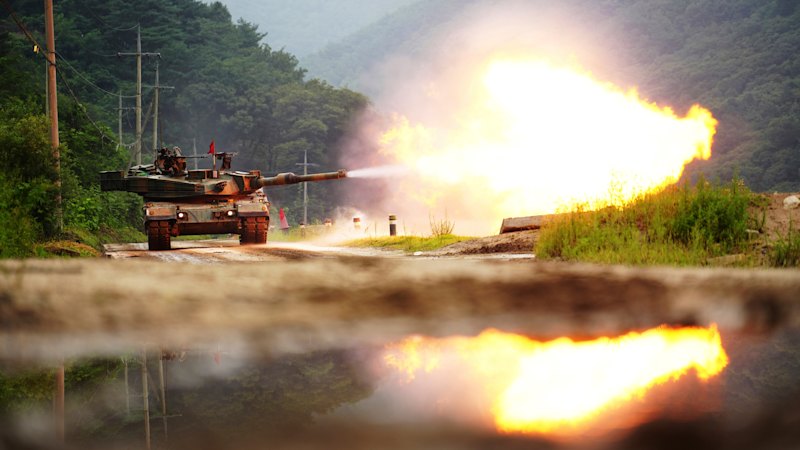
The Trump administration reduces or scales back military exercises with South Korea, a move described by multiple outlets as a “shock” that affects US engagement in Asia. The reporting says the decision is significant because the drills are a regular element of alliance readiness and signaling.
All outlets note that several factors may be involved, rather than a single explanation. They point to broader strategic considerations in US planning, as well as potential political and operational motives tied to how Washington approaches its alliance commitments. The articles also emphasize that, beyond immediate military logistics, the change is read by analysts as part of a wider rebalancing of US priorities.
While the sources agree on the basic development—scaled-back exercises with South Korea—they diverge mainly in how they frame its meaning. Some coverage links the move to possible adjustments in deterrence posture and regional policy, while other commentary highlights the role of economic or bargaining dynamics in shaping how the US manages alliance arrangements.
Overall, the outlets characterize the decision as sparking discussion about whether it signals a shift in US strategy in the region and how the alliance is being recalibrated.