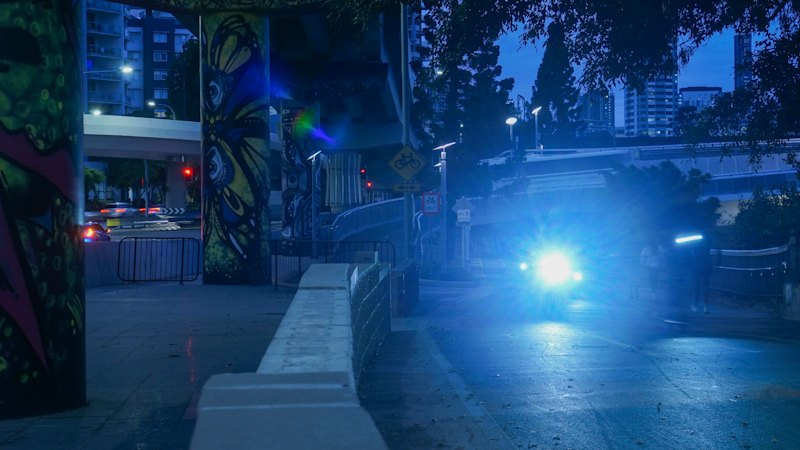
Across Australia, reporting highlights growing concern about how bright LED bicycle lights—particularly those producing intense, potentially blinding glare—affect road safety. The articles point to Germany as a reference point, describing how regulation and standards there are used to manage visibility while reducing discomfort for other road users.
The sources present the issue as part of a broader pattern: as cities adapt to new cycling technologies, attention shifts to side effects such as brightness and glare. While the outlets share the same central theme and framing, they differ mainly in local emphasis and audience focus rather than the underlying claim about the problem.
Taken together, the articles argue that Brisbane (and Australian cities more generally) can look to German approaches to lighting for guidance. They suggest that improving how lights are specified and used—rather than simply increasing brightness—can help balance cyclist visibility with the needs of drivers and pedestrians.
The articles do not agree on specific technical thresholds in the excerpts provided, but they converge on the idea that glare from overly intense LED lights is attracting scrutiny and that regulatory lessons from Germany are being considered.