


Two outlets describe a trend among Gen Z that moves away from FOMO and toward JOMO, presented as a counter-movement to constant social activity and comparison. The reporting frames JOMO as choosing “joy of missing out,” with people opting out of events, online engagement, or social pressure to attend everything. Both sources characterize the change as gradual and visible in everyday settings such as living rooms and on sofas, suggesting it appears in routine behaviors rather than as a single public campaign. The coverage is largely interpretive, connecting the shift to broader attitudes about attention, wellbeing, and personal choice, while emphasizing that it is not necessarily about avoiding social life altogether. Instead, it focuses on selective participation and the comfort of not being constantly engaged. Both articles use similar language and positioning, indicating they are drawing from the same general theme: Gen Z appears to value autonomy and reduced pressure in how they manage social time and digital presence.
Gen Z trends shift toward JOMO over FOMO, outlets report
Two outlets describe a trend among Gen Z that moves away from FOMO and toward JOMO, presented as a counter-movement to constant social activity and comparison. The reporting frames JOMO as choosing “j...
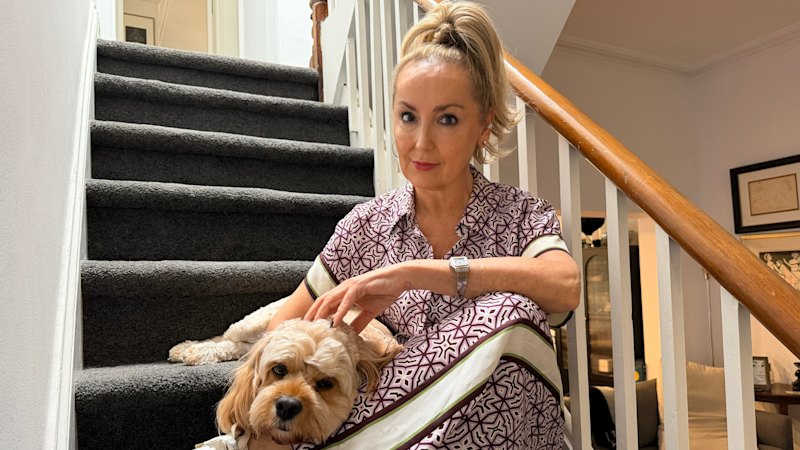
- Both articles describe Gen Z shifting from FOMO (fear of missing out) to JOMO (joy of missing out).
- The trend is characterized as a counter-movement to constant social engagement and comparison.
- The shift is presented as visible in everyday life, including at home.
- The reporting focuses on selective participation and personal choice rather than total withdrawal from social activity.
- The articles largely present analysis rather than reporting specific, named studies or figures.
There’s a quiet, very confident counter-movement happening in living rooms and on sofas everywhere. And I’m all in.
3 months agoThere’s a quiet, very confident counter-movement happening in living rooms and on sofas everywhere. And I’m all in.
3 months ago
ClearWay Mobility to Add Obstacle-Detection Device to Standard White Cane
ClearWay Mobility announces an obstacle-detection device designed to be added to the standard white cane used by people...

TestMu Conference 2026 spotlights agentic engineering and AI-driven quality practices
TestMu Conference 2026 is held as TestMu AI’s flagship event, with coverage focused on its role in advancing “agentic en...

SF Holding reports solid first-half 2026 results, citing international expansion and shareholder returns
SF Holding reports solid financial results for the first half of 2026, highlighting improved performance and growth. The...