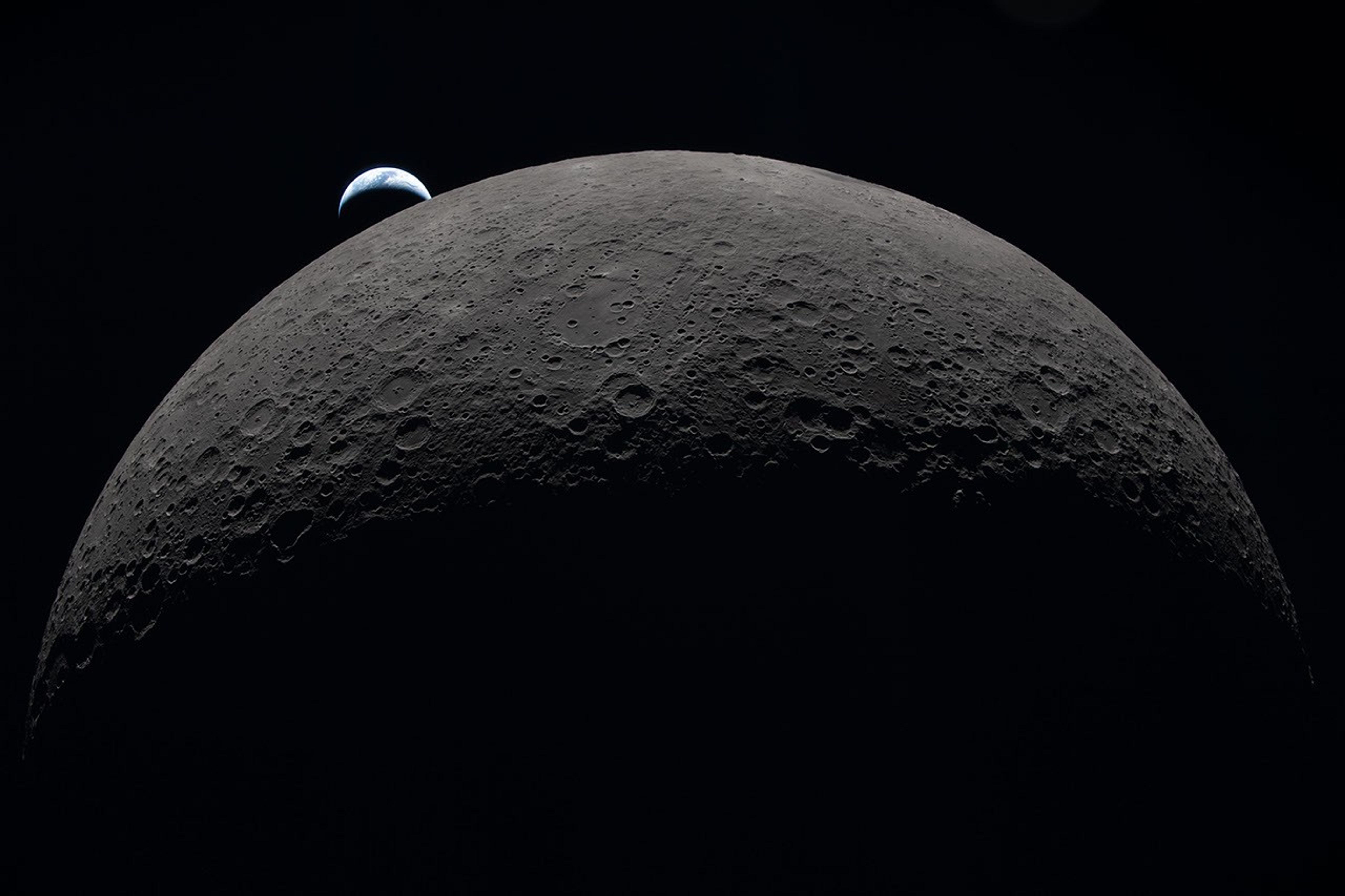
NASA scientists report that some Earth microbes associated with human activity may be able to survive on the Moon in the region near the south pole, particularly in permanently shaded areas. The work, published Aug. 19, 2026, in *Science Advances*, suggests that sheltered “nooks and crannies” could provide conditions that allow certain microorganisms to persist.
The findings are framed as an assessment of microbial survival risk for future human missions. NASA notes that understanding how long human-related microbes could remain viable in lunar environments is important for planning contamination control and protecting both astronauts and scientific investigations. The report emphasizes persistence in low-light, shielded locations rather than survival across the Moon’s exposed surface.
Across the outlets provided, the core message is consistent: microbe survival is possible in the Moon’s south polar shaded region, based on NASA’s analysis of how these organisms might endure there. Neither source indicates that all microbes would survive, or that the study confirms active growth on the Moon; it focuses on persistence.