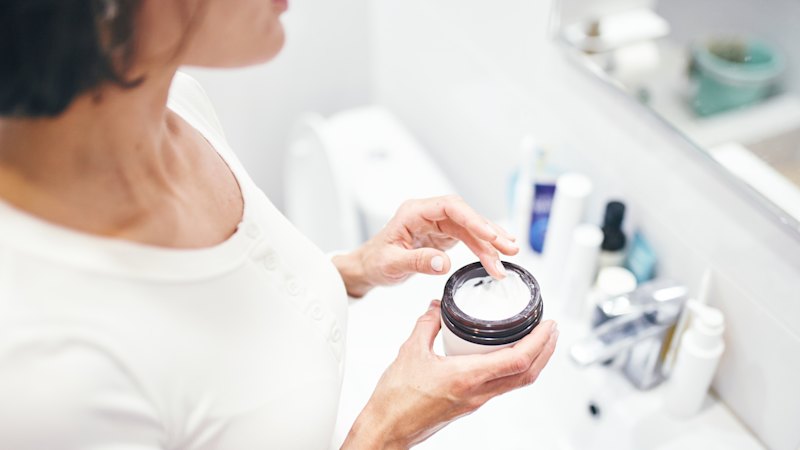
Retailers and brands are reducing prominent “anti-ageing” ranges on shelves, while “longevity” positioning becomes more common in skincare and make-up targeted at people over 40. Instead of messaging focused on reversing age, marketing increasingly emphasizes longer-lasting results, health and vitality, and a broader wellness-oriented approach.
Across the outlets, the central question is whether the shift reflects a genuine change in product science or primarily a rebranding of established promises. The articles describe how “longevity” is presented as a new standard, marketed through packaging and claims intended to feel more progressive and credible than “anti-ageing.” Sources also raise skepticism that consumer demand and persuasive marketing may be driving the terminology change as much as innovation. The articles contrast the promise implied by “longevity” with longstanding concerns about efficacy and expectations formed by beauty advertising.
Overall, coverage focuses on the evolving language used to sell over-40 beauty products and what consumers should understand about the substance behind those claims, rather than highlighting any single breakthrough ingredient or regulatory finding.