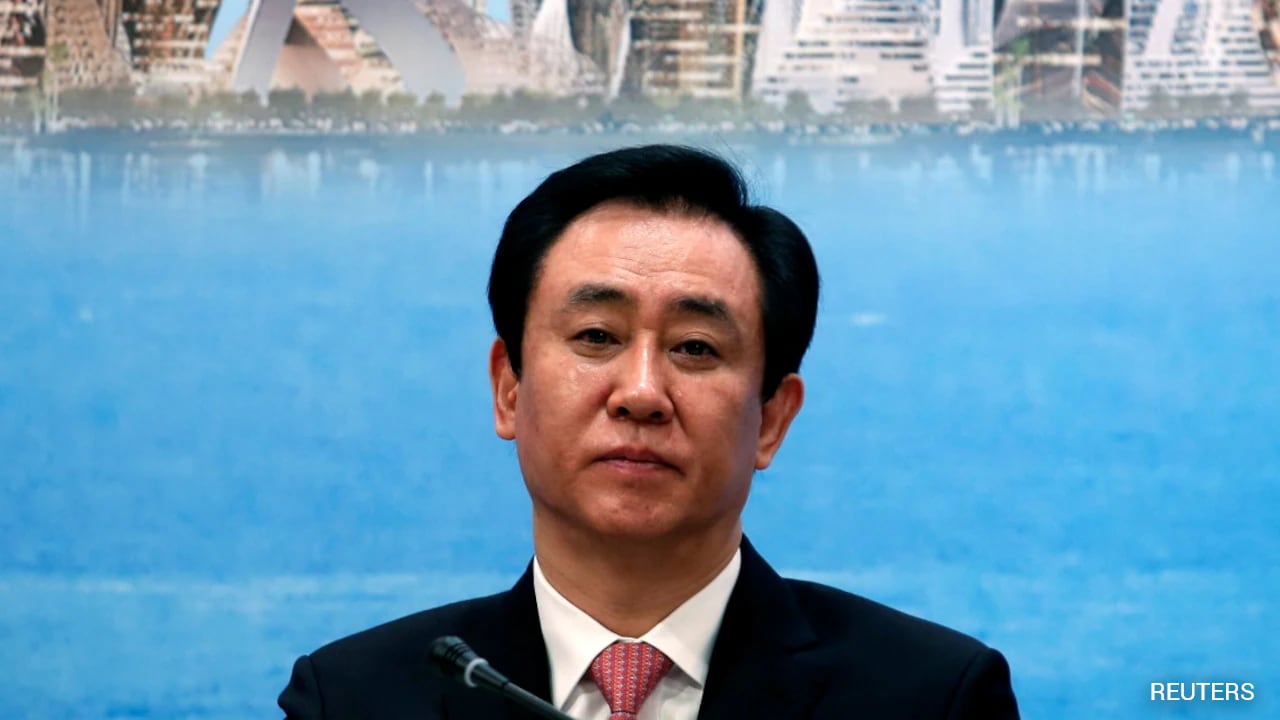
A Chinese court in Shenzhen sentences Evergrande founder Xu Jiayin to life in prison and orders Evergrande Group and an affiliate to pay fines of more than $2 billion for fraud and other offences. The rulings mark a major development in the long-running legal fallout from the company’s collapse.
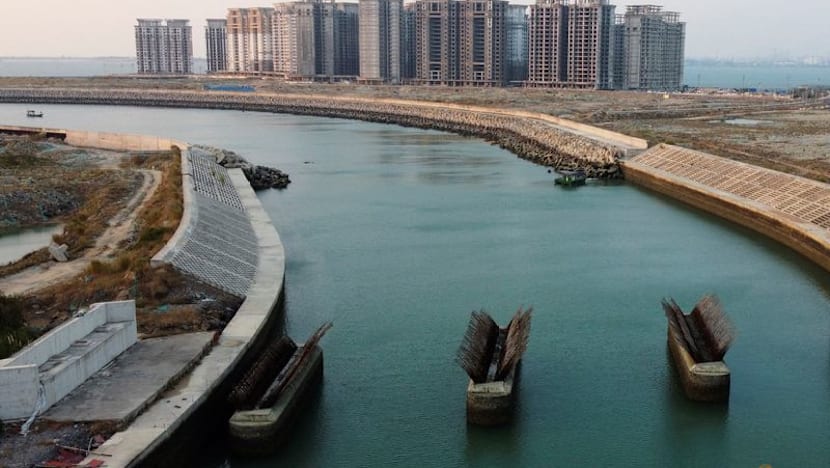
The verdict comes as China continues to deal with the broader effects of the property downturn. While outlets note that the court decision helps close part of the Evergrande saga and limits some future spillover from the legal process, concerns remain about how a still-weak property sector affects consumer confidence, local government finances, and economic stability. Sources also frame the case as emblematic of years of troubles in China’s once-booming real estate market.
Across reports, the emphasis is on the court outcomes—life imprisonment and large fines—and on what they signify for the wider economy. Coverage differs mainly in how much attention is given to interpreting the ruling’s economic implications, but they all describe it as occurring within an ongoing struggle to address property-related stress in China.