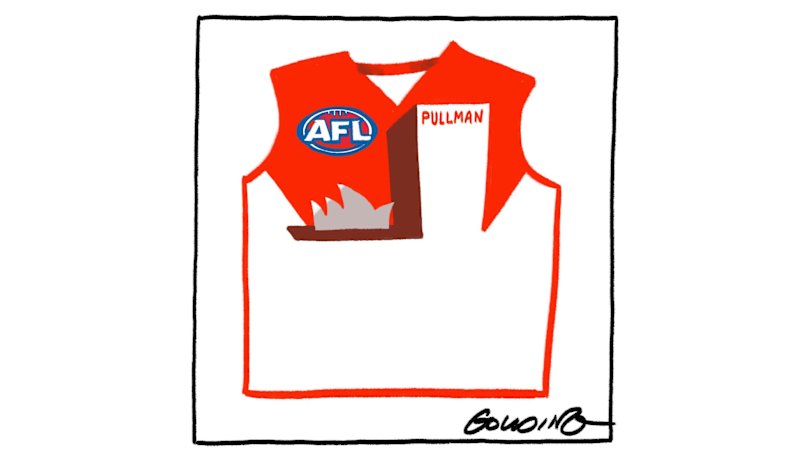
Multiple Australian outlets say there is “no excuse” for toxic off-field behaviour by elite athletes, while arguing that the underlying causes should still be understood so responses are effective. The reports focus on what they describe as a gap between athletes’ circumstances and how behaviour expectations are taught.
The outlets argue that education programs should reflect real-life scenarios athletes face and be delivered in a way that resonates with them. All three pieces stress that instruction should be practical rather than abstract, and that it should come from people who understand the athletes’ environment and can speak to them in relatable terms. The articles also frame improved education as part of broader efforts to reduce harmful conduct.
Across the reporting, the main difference is the emphasis on tone versus method. While the wording in each source underscores accountability, they converge on the view that clearer, more relevant training—delivered by credible messengers—can help prevent future incidents. Together, the pieces present a common message: behaviour is unacceptable, but prevention requires better-informed interventions tailored to athletes’ context.