


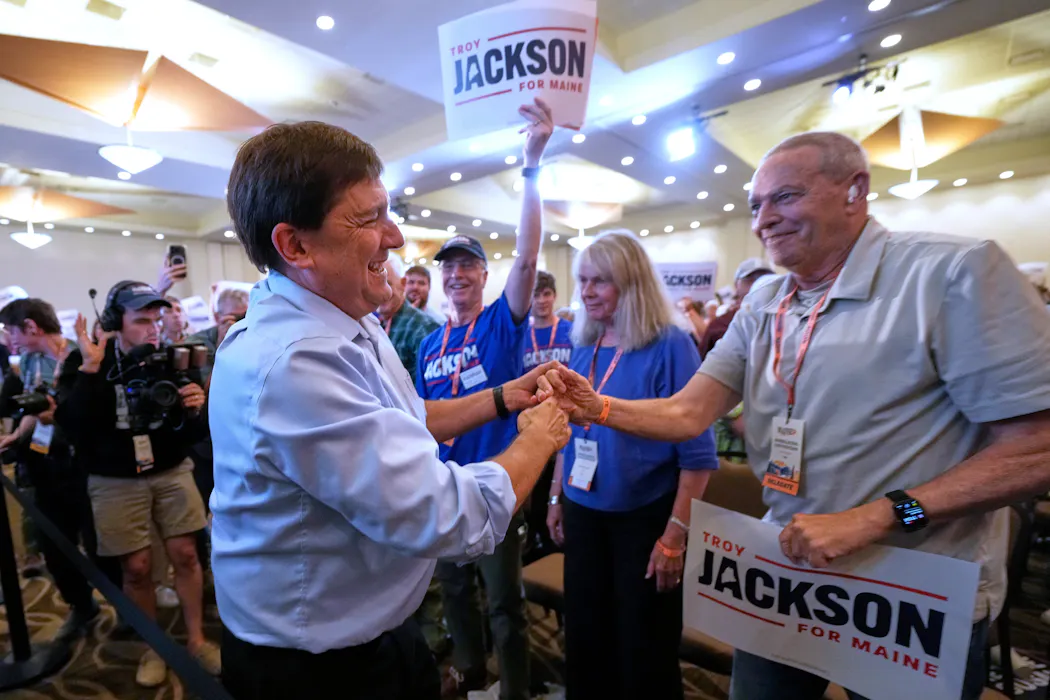
Working-class people are significantly underrepresented among lawmakers in the United States and in democracies worldwide, according to analyses cited by multiple outlets. The figures reported place working-class lawmakers at around 1% in the US and about 2% in the average democracy globally.
Both articles link this gap to barriers faced by people without wealth and other forms of social capital. They point to how running for office can be personally demanding—requiring sustained effort, time, and often resources—making it harder for working-class individuals to compete with candidates who have financial backing and professional or political networks. Outlets focus on these structural constraints rather than suggesting working-class candidates are absent or uninterested.
While the sources differ mainly in framing—one emphasizing the share of working-class lawmakers and the other highlighting the practical burden of campaigning—they converge on the same central conclusion: political institutions and election pathways systematically tilt representation away from working-class backgrounds.


