


Research reported by The Conversation draws on a survey of adult visitors to the Montréal Insectarium, finding that many respondents say they would consider eating insects. The study indicates that willingness increases when insects are not visibly identifiable—for example, when they are processed into ingredients such as insect flour and used in products like cookies. The Phys.org piece places the findings in a broader food-history context, noting how foods once stigmatized have sometimes later become more widely accepted. It cites the example of lobster, which has shifted from being treated historically as low-status “food for the poor” to being served in higher-end restaurants, including in prepared forms such as with butter. Together, the sources suggest that perceptions and presentation matter for adoption of entomophagy (eating insects). While the Montréal-focused research emphasizes consumer attitudes under different visibility conditions, the wider context underscores that reputation changes can occur over time as foods are reframed and marketed differently.
Canadians open to eating insects, especially when they are hidden as food
Research reported by The Conversation draws on a survey of adult visitors to the Montréal Insectarium, finding that many respondents say they would consider eating insects. The study indicates that wi...
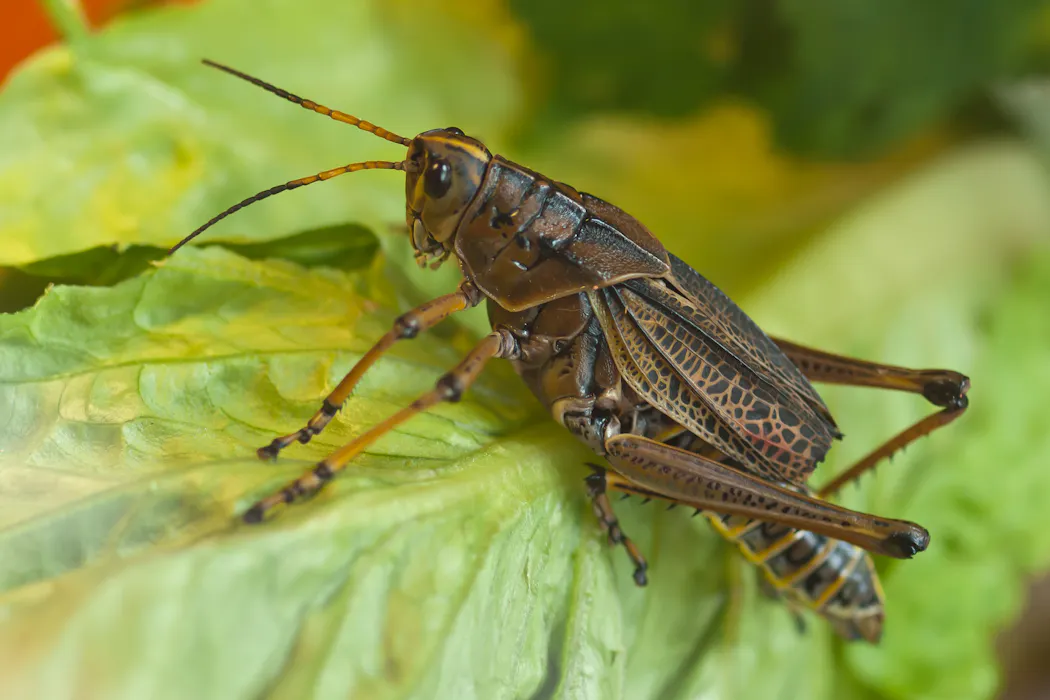
- A survey of adult visitors to the Montréal Insectarium finds many Canadians would consider eating insects.
- Willingness appears higher when insects are processed and not visibly identifiable, such as when ground into flour.
- The research discusses entomophagy in relation to how food is presented.
- Phys.org links the topic to broader history of changing food reputations, citing lobster as an example.
- Both accounts frame acceptance as influenced by perception rather than just the ingredient itself.
Lobster had one of the greatest reputation makeovers in food history. Once treated as "food for the poor," it is now served in expensive restaurants, dipped in butter and presented as a delicacy.
3 months agoResearch among adult visitors to the Montréal Insectarium reveals that many people will consider eating insects, especially when they are ground up as flour.
3 months ago
WA Planning Commission boss Emma Cole discusses housing, density and community pushback
Western Australia’s Planning Commission chair Emma Cole discusses her approach to housing and planning, including debate...

Seahawks sign CB Terrion Arnold, placed on NFL commissioner’s exempt list
The Seattle Seahawks officially sign cornerback Terrion Arnold, who is facing felony charges in Florida, according to mu...

Manchester City opens talks with Liverpool over Cody Gakpo transfer
Manchester City is opening talks with Liverpool over a potential move for Netherlands winger Cody Gakpo, according to mu...