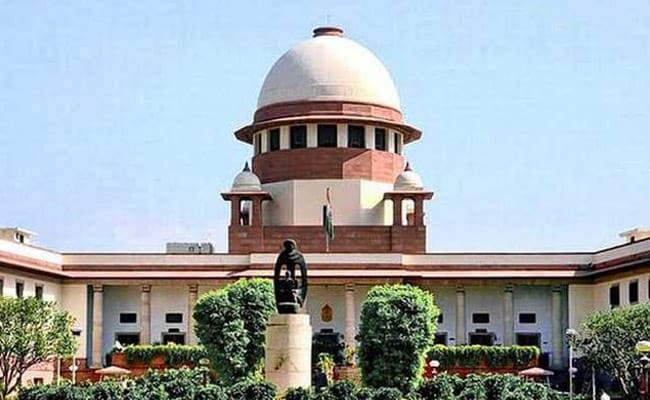
The Supreme Court rules that a casteist slur uttered in private cannot automatically be treated as an offence committed in “public view” if it occurs within four walls and no members of the public are present. The court’s position clarifies how “public” is determined for offences that depend on the presence of the public at the time of the incident.
The ruling provides context for cases where language or insults are alleged but the location is private. In such situations, the court indicates that the absence of public witnesses limits the applicability of provisions that require a public setting. While the decision focuses on the interpretation of “public view,” it does not rule out other legal consequences for the conduct itself; it specifically addresses how the element of public visibility is assessed.
Across coverage, the emphasis remains on the court’s interpretation rather than the factual details of any single case. Reporting from NDTV highlights that the “within four walls” standard and the lack of public presence are key factors guiding whether an incident meets the threshold for “public view.”