


A federal judge in Washington, D.C. apologizes to a man accused in connection with the alleged would-be attack at the White House Correspondents’ Dinner after the defendant complained about conditions in custody. According to reporting, the judge’s action follows the defendant raising concerns about restrictions and what he described as mediocre jail conditions. The apology draws criticism from some commentators, who argue that accused offenders should not receive leniency or special treatment while detained. The judge’s remarks are portrayed by critics as inappropriate given the seriousness of the allegations. The reporting centers on the judge’s decision to address the defendant’s complaints directly and to apologize related to the restrictions placed on him while in jail. Neither outlet presents a differing account of the basic sequence of events: the defendant complains about jail conditions, the judge responds with an apology, and the response triggers public backlash. The situation highlights tensions over courtroom conduct, detainee treatment in pretrial custody, and public expectations regarding how accused individuals are handled prior to trial.
Judge apologizes to alleged Trump WHCD shooter after complaints about jail conditions
A federal judge in Washington, D.C. apologizes to a man accused in connection with the alleged would-be attack at the White House Correspondents’ Dinner after the defendant complained about conditions...

- A federal judge in Washington, D.C. apologizes to a man accused in connection with the alleged would-be attack at the White House Correspondents’ Dinner.
- The apology follows the defendant’s complaint about jail conditions and restrictions while in custody.
- The defendant is described in the coverage as an alleged would-be assassin tied to Donald Trump.
- The judge’s apology triggers public criticism.
- The reports focus on the judge’s response to the defendant’s custody complaints and the resulting backlash.
A liberal federal judge in DC has sparked outrage after apologizing to Donald Trump's alleged would-be assassin for restrictions placed on him behind bars.
3 months agoA liberal federal judge in DC has sparked outrage after apologizing to Donald Trump's alleged would-be assassin for restrictions placed on him behind bars.
3 months ago
Diamondbacks’ latest MLB lineups feature Corbin Carroll, Ketel Marte and Gabriel Moreno
Multiple Yahoo Sports “discussion” pages list Arizona’s probable lineups for several MLB matchups, including games again...
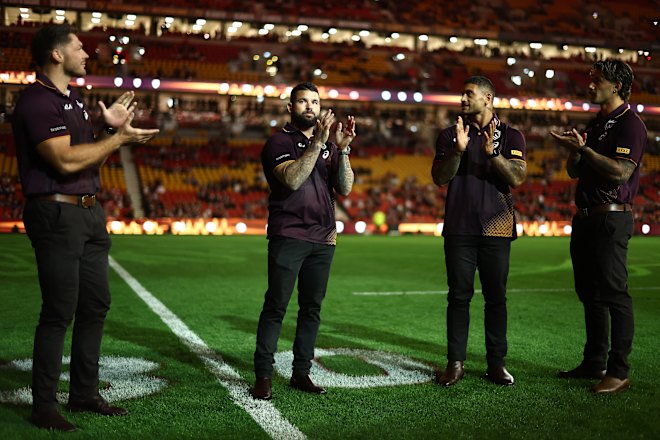
Broncos apologise after chaotic send-off for departing captain Adam Reynolds
Brisbane Broncos apologise to fans after what outlets describe as a mishandled send-off for departing captain and halfba...

Nicky Winmar set for sentencing after assault conviction in regional Victoria
Nicky Winmar, a former AFL player associated with St Kilda, is set to learn his sentence after being found guilty of ass...