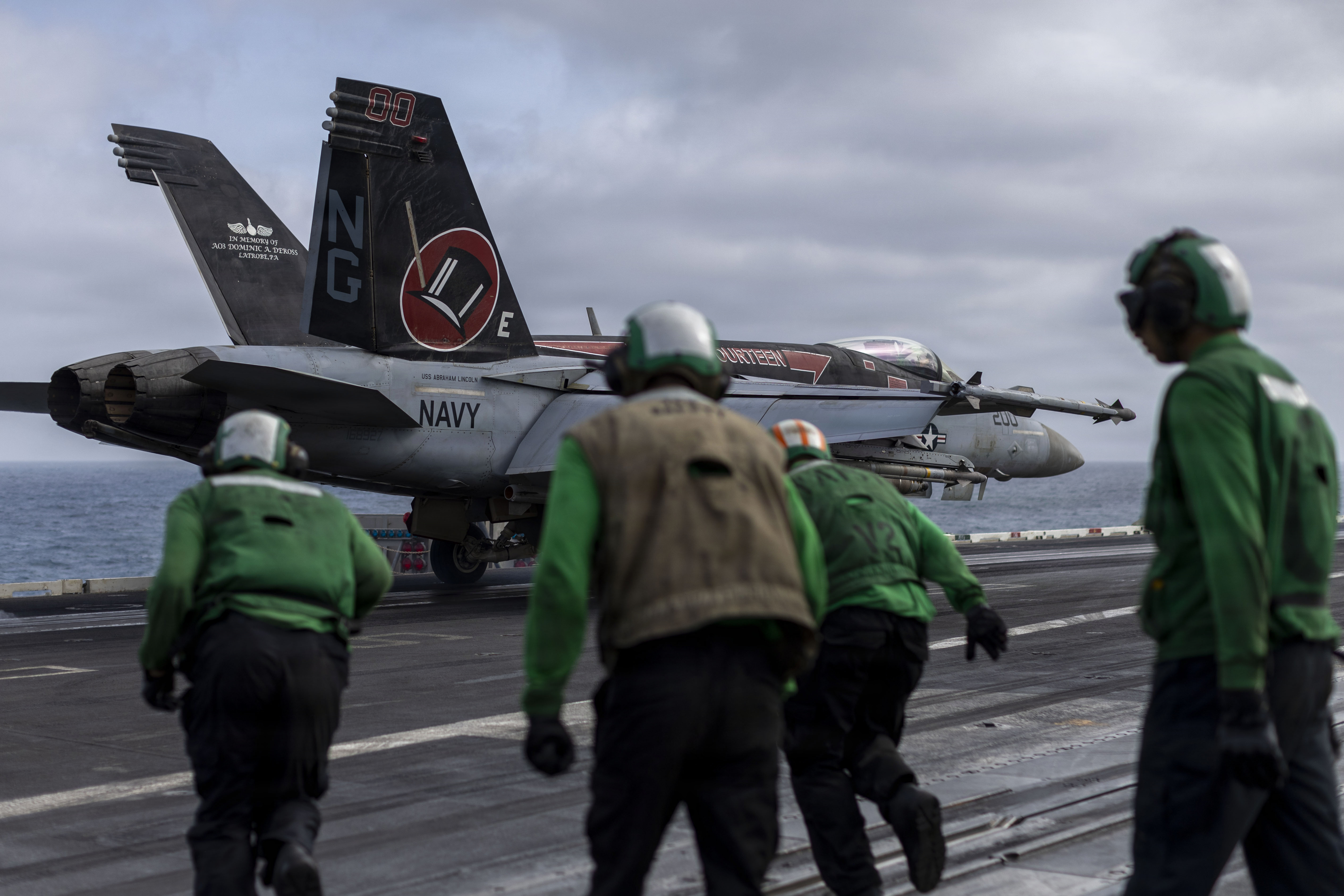
The US Navy’s prolonged strain from high operational tempo is increasingly highlighted in how it performs carrier-based operations, with sources pointing to lessons drawn from the war involving Iran. Reporting focuses on how limits in carrier availability and decisions made during that period worsen existing readiness and tempo pressures.
The outlets describe a pattern that has been present for years, rather than a single incident. They say the Iran-related operations bring into sharper view the effects of maintenance backlogs, crew and maintenance capacity constraints, and the operational choices that determine how carriers are deployed and sustained. While the sources differ in emphasis, they converge on the idea that carrier availability is a central factor in whether the Navy can maintain planned pace without degrading performance.
Overall, the accounts portray the Iran war as an illustrative case that exposes structural flaws behind the Navy’s tempo “ordeals,” including how timing and deployment decisions interact with real-world readiness limitations. No source claims a single cause; instead, they link operational tempo difficulties to a combination of capacity and decision-making challenges.