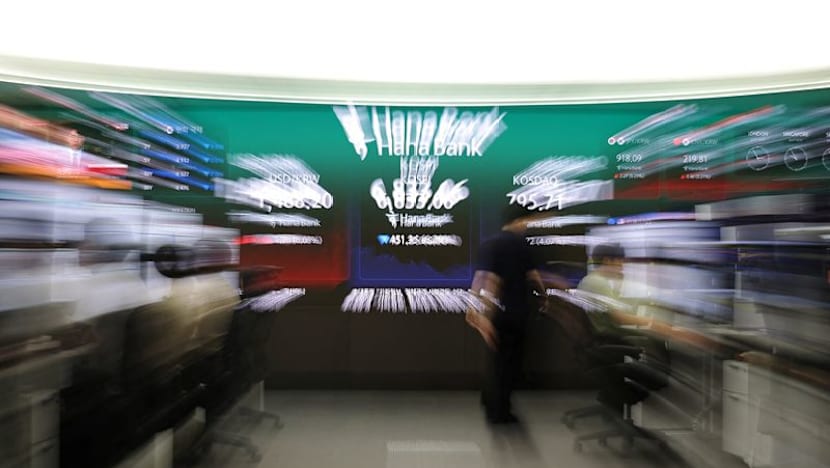
South Korea is reflecting on the emotional impact of stock mania as sentiment swings from euphoria to despair, following sharp market movements. Reporting across outlets describes how fast-changing prices fuel rapid shifts in optimism, and then in disappointment, for individual investors.
The coverage places the episode in the context of heightened retail participation and the broader risks of speculative trading. Outlets largely agree that such cycles can amplify stress, reduce investors’ confidence after downturns, and create wider financial anxiety beyond those directly trading. While the core theme is investor psychology, the articles differ in emphasis: some focus more on personal experiences and household-level effects, while others frame the issue as a consequence of market volatility and how quickly expectations can reverse.
Overall, the reporting converges on the idea that stock-market booms and busts do not only move numbers but also affect how people make decisions, manage losses, and interpret risk in real time.